Do you have a supplement formulated specifically to enhance protection against cancer?
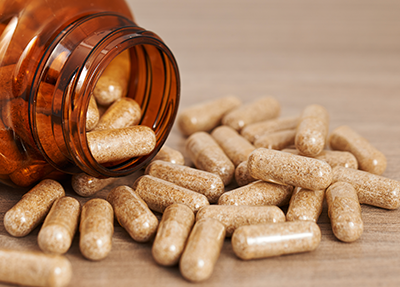
Dietary supplements by definition do not treat, prevent, or cure a disease and cannot claim to on labels or in advertising. However, plant extracts are continually being studied for their potential to maintain health and affect the disease process. Clinical trials are being conducted, aiming to figure out whether certain plant extracts could affect cancer-related biomarkers, act as beneficial adjunct treatments to be used with chemotherapy, or help to prevent progression of an early stage cancer or pre-cancerous condition.
Diet is a known modulator of common chronic diseases, such as heart disease, diabetes, and cancer. Diets higher in vegetables, fruit, beans, nuts and seeds, and lower in high-glycemic processed foods, oils, sugars, and animal products are associated with a lower risk of these diseases. Underlying processes such as oxidative damage, effects of elevated blood glucose, and chronic inflammation are contributing factors to aging, poor health, and multiple chronic diseases. In contrast, minimizing oxidative damage, supporting DNA repair mechanisms, keeping immune cells working properly, and keeping glucose and inflammatory markers in a healthy range help to promote good health. The primary way we accomplish this is through a healthful diet, but there are supplements that may complement those efforts.
Mushroom extracts
Research has shown that some mushroom species may promote the proper function of many different types of immune cells, including the ability of natural killer(NK) cells to attack cancerous and virus-infected cells.1-19 Concentrated mushroom extracts have been studied in human clinical trials as an adjunct to chemotherapy in cancer, aiming to reduce the immunosuppressive effects of chemotherapy, with positive results. 4, 5, 9, 19-28
In these clinical trials, concentrated extracts used in high doses were used, more than a healthy person would take in a supplement. My opinion is that it is likely beneficial for the immune system to take in a small dose of supplemental mushroom phytochemicals, since most people don’t regularly eat a large quantity and variety of different mushrooms in their day to day diet. This was my rationale for offering Immune Biotect.
Green tea
Research on green tea in vitro (using cells in culture) has shown anti-cancer effects – modulating signaling pathways that affect DNA repair, inflammation, proliferation, apoptosis, metastasis, and angiogenesis.29-41 Observational studies suggest that drinking green tea regularly reduces the risk of lung cancer, breast cancer, prostate cancer, and death from cardiovascular disease.42-47 In clinical trials, green tea extract helped to protect against UV-induced DNA damage in the skin, enhance antioxidant status, and improve blood glucose and cardiovascular risk factors.31, 48-51 In men with prostate cancer, clinical trials on green tea or green tea supplements have shown reduced PSA and other cancer-related biomarkers.52, 53 Supplementation with EGCG reduced cancer-related biomarkers in women with breast cancer.54 Green tea supplementation also reduced the risk of recurrence of colorectal adenoma (a precancerous lesion) compared to placebo.55 One notable study in humans investigated a supplement containing green tea-derived catechins plus Capsicum annuum in people who tested positive on an ONCOblot® (which indicates very early stage cancers) and showed promising results. The majority showed reversal of the early stage cancers.56 More research is needed to determine whether supplements containing green tea or green tea plus Capsicum annuum are an effective component of cancer prevention or treatment. I often recommend green tea supplementation to patients who have cancer or who are at risk.
Turmeric/curcumin
Curcuminoids (curcumin, bisdemethoxycurcumin, and demethoxycurcumin), the most widely studied phytochemicals from the turmeric root, have displayed multiple anti-cancer effects in vitro, primarily by modulating the activity of a key regulator of inflammation, the transcription factor NF-kB.57-59 New research is revealing that other turmeric phytochemicals may also have anti-inflammatory and anti-cancer effects in cultured cells.60 In human trials, decreased inflammatory biomarkers with curcumin (complexed with piperine to enhance absorption61) has been confirmed, plus reduced oxidative stress, beneficial effects on cholesterol and triglyceride levels, and potentially therapeutic effects on arthritis have been observed.62-65 There have been some early clinical trials relevant to cancer; suggesting improvement in cancer-related biomarkers in patients with pancreatic cancer and colorectal cancer, reduced oxidative DNA damage in patients with colorectal cancer, and reduced colorectal aberrant crypt foci (precursor to polyps) in smokers. Clinical trials continue, and it is not yet known whether curcumin supplements will prove to be a valuable component of prevention of progression for precancerous conditions.66
Grape seed
Grape seed extracts have shown anti-cancer activities in cell culture and animal studies. Grape seed proanthocyanidins inhibit aromatase (an enzyme that produces estrogen), and modulates signaling pathways that affect inflammation, cancer cell proliferation and apoptosis, and angiogenesis. 67, 68
In human trials, grape seed extract has been found to reduce blood pressure, improve antioxidant status, reduce inflammatory markers, and reduce LDL cholesterol and oxidized LDL.69-72 Regarding cancer, clinical trials are now in progress, evaluating whether grape seed extract is helpful for reducing inflammation in patients with cancer, and preventing breast cancer in women at high risk. The results of these and upcoming trials will help to determine whether grape seed is a valuable adjunct therapy for cancers.
Kaempferia parviflora
In vitro, Kaempferia parviflora (KP; black turmeric) phytochemicals are known to potently activate the SIRT1 enzyme, which is thought to be a link between caloric restriction and longevity. KP also has anti-inflammatory effects and protects against oxidative stress in vitro.73-75 Studies in humans suggest that KP supplementation enhances antioxidant defenses, helps keep blood glucose in the healthy range, reduces production of advanced glycation end products (AGEs), and limits accumulation of visceral fat 76, 77
Ultra Cell Biotect
I take this research into account when designing the supplements I offer, Ultra Cell Biotect in particular. The evidence on green tea, turmeric, grape seed, and black turmeric is promising, but not conclusive. We still don’t know for sure whether people who take these extracts as dietary supplements will realize the benefits suggested by the existing research. Doses and extract methods differ between different studies, and the research on these plants is ongoing. Though the research is not yet conclusive, the findings so far encouraged me to provide Ultra Cell Biotect for those who wish to act on the evidence sooner, especially my patients who have medical conditions that could potentially benefit from these plant extracts. Consult with a physician before starting Ultra Cell Biotect, or any of the individual plant extracts, especially if you do have a medical condition, as plant extracts can interact with certain drugs and treatments.