Perfect Salads, made perfectly simple
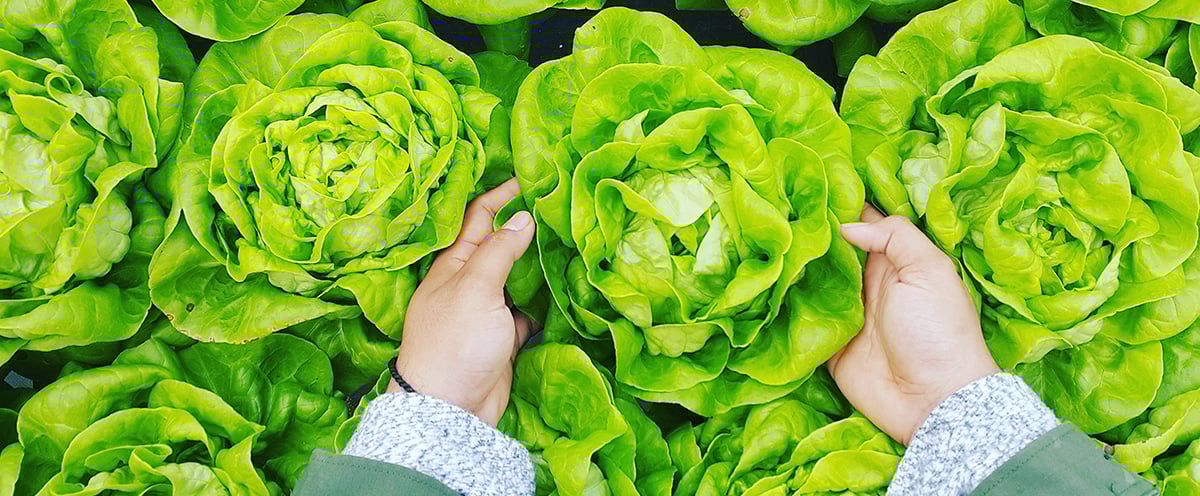
Let’s talk about salads — the color, the crunch, the pure satisfaction of eating something that feels alive.
(Okay, you had me at crunch.)
I’ve been practicing nutritional medicine for over 35 years, and I’ve seen one simple habit transform thousands of lives — eating one giant salad every single day. I’m not talking about a small side salad pushed to the corner of your plate. I mean a salad so big it needs a mixing bowl. A salad that makes people ask, “You’re really going to eat all that?”
Yes. Yes, you are.
Why One Big Salad a Day Works Wonders
Raw vegetables do incredible things for your body. They flood your system with fiber, phytochemicals, and antioxidants that strengthen your immune system, fight cancer, and rejuvenate your cells. In fact, in the largest nutrition study ever done, over 500,000 participants, those who ate large salads daily lived longer, got sick less, and aged better.
I once had a patient, Sarah, a 52-year-old teacher, come to me exhausted, 40 pounds overweight, and on three medications. My prescription? Eat a massive salad before lunch or dinner every day. She looked at me like I was crazy. “That’s it?” Six weeks later, she’d lost 12 pounds, stopped needing afternoon coffee, and her doctor cut her blood pressure medication in half.
The 5-Layer Salad Bowl Formula
Think of your salad as your daily medicine bowl. Five layers that nourish every part of your body:
Layer 1: The Green Foundation
Start with 3–4 big handfuls of dark leafy greens — romaine, butter lettuce, or mixed baby greens. Or go next-level with cruciferous powerhouses like:
-
Watercress This slightly peppery-flavored green is a powerhouse, filled with the good stuff that protects your bones and eyes, plus it has the ability to suppress breast cancer cell development.
-
Arugula Eating arugula raw in salads, rather than cooked, leaves its amazing anti-inflammatory and anti-cancer enzymes fully intact.
-
Red Cabbage – Beautiful color, heart-protective compounds, and some of the same anti-cancer benefits as berries.
Layer 2: The Cruciferous Cancer Fighters
Add more crunch with shredded kale, bok choy, or broccoli slaw. These raw cruciferous veggies contain isothiocyanates — compounds that seek out and destroy abnormal cells before they become dangerous. Save time by prepping a few days’ worth of chopped cabbage and carrots in advance and storing them in glass containers.
Layer 3: The Immune Boosters
Raw onions, shallots, or scallions protect against cancer and help lower blood pressure and blood sugar. They’re your cells’ security guards.
Layer 4: The Color Pop
Tomatoes, peppers, beets, carrots — the more colors, the more phytochemicals. Think of this as edible sunscreen for your arteries.
Layer 5: The Staying Power of Beans
Add ½ cup of beans — chickpeas, black beans, lentils, or edamame. The combination of fiber and resistant starch keeps you full and stabilizes blood sugar for hours. A.B.C.: All Beans Count! Try mixing several varieties — like black beans and corn, or red beans, garbanzos, and black beans — and store them in glass dishes ready to scoop each day.
Dressing It Up — Without Sabotaging It
Here’s the deal: fat-free and oil-soaked dressings both miss the mark. You need healthy fats from nuts and seeds to absorb carotenoids and other fat-soluble phytochemicals.
That’s why all my salad dressing recipes — and every Dr. Fuhrman bottled dressing — use whole-food fats, never oil. Using fat-free dressings actually limits your ability to absorb those powerful nutrients.
You can change up your salads as easily as changing your shoes by letting different cuisines inspire you. To help you get started, download our free Perfect Salad Infographic, your guide to building beautiful, satisfying salads and making flavorful nut- and seed-based dressings.
Quick & Creamy Balsamic Almond Dressing (My Personal Favorite)
Ingredients
-
¼ cup raw cashews
-
¼ cup hemp seeds
-
Juice of ½ lemon
-
1 clove garlic
-
1 medjool date
-
2 tablespoons nutritional yeast
-
Unsweetened soy milk to blend
-
A splash of balsamic vinegar + herbs of your choice
Instructions
Blend until silky smooth. Makes enough for 3–4 salads and stays fresh for several days in the fridge.
Short on time? Whisk together 2 tablespoons water, 1 tablespoon balsamic vinegar, 1 tablespoon almond butter, and your favorite herbs. Simple, satisfying, and oil-free. Feel free to experiment with other nut butters, spices, and vinegars to create salad dressings as unique as your fingerprints!
Use Dressing to Create New Flavor Profiles
Feeling Tex-Mex? Try avocado, lime, and garlic with a pinch of cayenne. Prefer something bright and refreshing? Whisk citrus juice with a hint of ginger and rice vinegar. Make a week’s worth of one or two dressings on Sunday and refrigerate them in mason jars — they’ll easily keep all week thanks to the vinegar.
Need convenience? Dr. Fuhrman’s bottled dressings like Walnut Vinaigrette, Blueberry Pomegranate, Orange Cashew, Sesame Ginger, Tuscan Herb, and Almond Balsamic contain no added salt, refined oil, or preservatives, and are made from organic, whole-food ingredients.
Build Once, Eat All Week
Make salad prep effortless:
-
Wash and chop several days’ worth of greens and store in airtight containers.
-
Pre-shred cabbage and carrots and refrigerate in zip-top bags.
-
Batch-cook beans or grains (like quinoa) and keep in glass dishes to scoop from daily.
-
Rotate flavors — Tex-Mex avocado-lime one day, citrus-ginger the next.
Ready to try your hand at salad-building? Discover more easy and delicious salad recipes like the one below featured in my infographic PDF.
For the salad:
6 cups romaine lettuce, chopped
4 cups mixed baby greens
1 cup cooked black beans
1 cup frozen, thawed corn kernels
1 medium tomato, chopped
1/4 cup chopped red onion
For the dressing:
1 ripe avocado, peeled, pit removed
1/2 lime, juiced
1 small clove garlic
1 tablespoon nutritional yeast
Pinch of cayenne pepper, or more to taste
Instructions:
Place dressing ingredients in a blender or food processor and blend until smooth. Combine salad ingredients in a large bowl and toss with desired amount of dressing.
Build Once, Eat All Week
To make salad prep effortless:
-
Wash and chop several days of greens at once and store in airtight containers.
-
Pre-shred cabbage and carrots and refrigerate in Ziplock bags.
-
Batch-cook beans or grains (like quinoa) and keep in glass dishes to scoop from daily.
-
Make two dressings on Sunday to rotate flavors — think Tex-Mex avocado lime one day and citrus-ginger the next.
The 10-Day Salad Challenge
Try this: for the next 10 days, make one giant salad your main meal for lunch or dinner. That’s it.
Here’s what you’ll notice:
Week 1: “This is a lot of chewing, but I’m not hungry at 3pm anymore.”
Week 2: “I haven’t needed antacids all week.”
Week 3: “My jeans are loose, and my skin looks amazing.”
Week 6: “I can’t believe I’m craving salad. Who am I?”
Real people, real results:
“I save $50 a week not buying junk food because I’m actually full.” – David, 62
“My husband started stealing bites of my giant salad. Now we both eat them.” – Jennifer, 45
Ready to Go Deeper?
Remember – the infographic is just the starting point! Feel free to experiment with the member center’s 410 (and counting) recipes for salads, dressings, dips and sauces. Choices range from hearty choices such as Broccoli and Chickpea Salad to simple, fruity combos like Dr. Fuhrman’s Patriotic Salad. Feeling adventurous? You’ll love the Mixed Greens Salad with Beets, Herbed "Goat Cheese" and Walnuts. Want to add some hearty beans and grains? Try our Lentil, Quinoa and Clementine Salad. Let your imagination – and Dr. Fuhrman’s Nutritarian Recipe Database – guide your taste buds to new places.