A major new analysis confirmed what studies have shown for decades, that plant-based diets are associated with lower cancer risk. But the nutrition community treats "plant-based" as an endpoint rather than a starting point. The Nutritarian diet takes the evidence further. It identifies not just which foods to eliminate, but which ones to focus on to optimize health.
A recent meta-analysis of seven large prospective cohort studies including over 600,000 total participants aimed to clarify the associations between a vegetarian or vegan diet and the risk of cancer at specific sites.
The analysis included comparisons of cancer incidence in vegan and vegetarian participants to non-vegetarians from studies such as The European Prospective Investigation into Cancer and Nutrition (EPIC) Oxford study UK Biobank, and Adventist Health Study I and II. Participants were followed for between 6 and 20 years in the different studies.
Compared to non-vegetarians, vegetarians had a 13% lower risk of total cancer, and a lower risk of cancer at several sites:
Stomach: 45% lower
Colon and rectum: 14% lower (21% for the colon and 45% for the proximal colon)
Pancreas: 23% lower
Melanoma: 21% lower
Breast: 8% lower (19% for postmenopausal breast cancer)
Bladder: 22%
Non-Hodgkin lymphoma: 24% lower
Because of smaller numbers of vegans than vegetarians and fewer studies evaluating vegans and vegetarians separately, only a few cancers could be analyzed in vegans compared to non-vegetarians. Vegans had a 23% lower risk of total cancer and a 20% lower risk of breast cancer.1
Vegetarian and vegan diets, in addition to excluding meat or all animal products, tend to be higher in fiber, minerals such as magnesium and potassium, antioxidants such as vitamin C and carotenoids, and beneficial phytochemicals such as flavonoids. Several features of plant-based diets are protective.1
No red or processed meats
The International Agency for Research on Cancer has classified processed meat as carcinogenic to humans and red meat as probably carcinogenic to humans. Excess heme iron promotes oxidative stress, saturated fats are pro-inflammatory, carcinogens such as heterocyclic amines and polycyclic aromatic hydrocarbons are formed during cooking and nitrosamines are formed from preservatives in processed meat.2-5
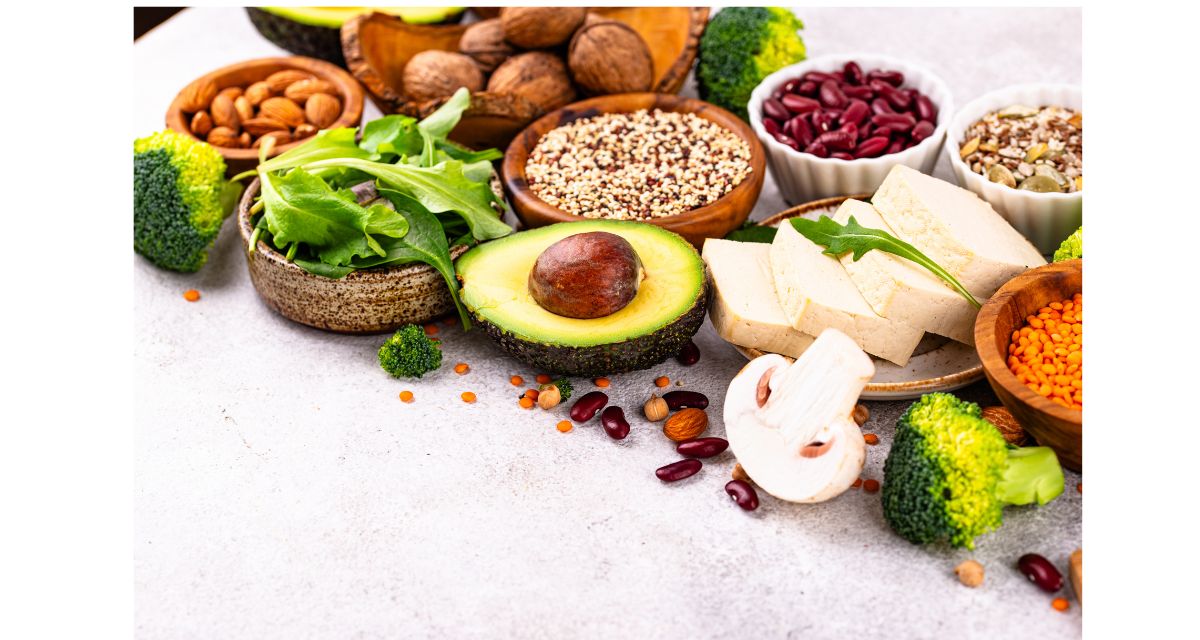
More vegetables, fruits, beans, nuts and seeds
Plant-based diets tend to be higher in phytochemicals and many vitamins and minerals. Vitamin and mineral adequacy is critical for having a fully functioning immune system. Plant-derived phytochemicals include thousands of bioactive substances with a variety of protective effects, including enhancing the activity of antioxidant and detoxification enzymes, downregulating proinflammatory gene expression, and inhibiting angiogenesis and cancer cell proliferation.6,7
Higher fiber intake, healthier gut microbiome
Plant-based eaters typically consume more fiber than non-vegetarians. A diet rich in fiber, especially with a variety of plant fibers leads to a healthier gut microbiome that produces protective metabolites and supports immune surveillance, and is linked to a lower risk of several cancers, including breast and colorectal cancers. Fiber is not just about digestion. Higher fiber intake improves insulin sensitivity, reduces circulating estrogen, and produces short-chain fatty acids, such as butyrate, which as direct anti-cancer effects in the colon. In contrast, a diet high in animal foods promotes microbial byproducts, TMAO in particular, associated with inflammation.8
Lower IGF-1 levels
Diets high in plant protein and low in animal protein help to maintain adequate, but not excessively high IGF-1 levels. Elevated IGF-1 acts as a growth and survival promoter for cancer cells.9-11
Favorable hormonal environment
Plant-based diets have been associated with lower levels of circulating estrogen and higher levels of sex-hormone binding globulin (SHBG), likely due to higher intake of fiber and lower body fat.12,13 Higher levels of SHBG, reducing the availability of hormones, such as estrogen, that can stimulate cancer cell proliferation.
Lower body fat
Excess body fat is not biologically neutral. It drives cancer risk through inflammatory cytokines, insulin resistance, and increased estrogen production. Obesity is a well-established risk factor for 13 cancers.14 Vegetarians and vegans typically have lower body fat, since eating more high-fiber foods overall and low-calorie-density vegetables makes it easier to maintain a healthy weight.
Lower rates of type 2 diabetes
Vegetarians and vegans have lower rates of insulin resistance and type 2 diabetes, risk factors for cancers. High insulin levels promote tumor growth via insulin and IGF-1 signaling.15
What this study did not address is that not all plant-based diets are equally protective. A vegan diet that includes white bread, white rice, pasta, and processed meat alternatives does not promote health. The risk reductions observed in this study could be significantly larger with better quality plant-based diets and adequate intake of those plant foods shown to be powerfully protective against cancer.
Studies that investigated the quality of plant-based diets have found that healthful plant-based diets (high in vegetables, legumes, whole grains, nuts, and fruit) are linked to lower cancer risk, and unhealthful plant-based diets (high in juices, sweetened beverages, refined grains, potatoes, and desserts) are linked to higher risk.16,17
There are some areas where a vegan diet – even one based on whole plant foods – can fall short.
Failure to supplement key nutrients
A diet high in whole plant foods and low in animal foods is health-promoting, but it does reduce exposure to some important vitamins and minerals, especially B12, D, and zinc. A plant-based diet that is deficient in these vitamins and minerals compromises function of the nervous system, bones, immune system, and more.
Too many high-glycemic foods
Even whole-food, plant-based diets can be too high in grains and potatoes, leading to a high-glycemic, protein-inadequate diet. Beans (especially soybeans), nuts, and seeds, as well as a high intake of green vegetables supply plant protein to build and maintain muscle tissue and help keep blood glucose in the healthy range.
Insufficient calcium intake
Low calcium intake, likely due to low green vegetable intake (and failure to supplement when needed), was cited as a potential cause of the high bone fracture rate seen in studies of UK vegans.18,19 Plus, getting adequate calcium helps prevent colorectal cancers by binding up bile acids and fatty acids with pro-carcinogenic activity in the gastrointestinal tract.20 Focus on calcium-rich foods is essential, and many vegans benefit from conservative supplementation, especially after menopause.
Low omega-3 index
Vegans, vegetarians, and others with low intake of fatty fish are at risk of low DHA and EPA levels, especially in older age. DHA and EPA are not optional additions. They are prerequisites for proper cognitive function. I have seen well-intentioned vegans develop serious, preventable health consequences because of insufficient DHA and EPA.
A Nutritarian diet-style is the most cancer-protective way of eating that exists. Not because it removes animal products, though keeping them minimal matters, but because it supplies the body with the nutrients and phytochemicals it needs to protect itself. I propose that such a healthful diet would more than double the protective effects of merely being a vegan. And, if started early enough in life, or throughout life, then we have the ability to maximize the benefits further.
Aune D, Schlesinger S, Sobiecki JG. Vegetarian and vegan diets and cancer incidence: a systematic review and meta-analysis of prospective studies.Eur J Epidemiol 2026.
Ungvari Z, Fekete M, Varga P, et al. Association between red and processed meat consumption and colorectal cancer risk: a comprehensive meta-analysis of prospective studies.GeroScience 2025, 47:5123-5140.
Cornelissen A, Guo L, Sakamoto A, et al. New insights into the role of iron in inflammation and atherosclerosis.EBioMedicine 2019, 47:598-606.
Crowe W, Elliott CT, Green BD. A Review of the In Vivo Evidence Investigating the Role of Nitrite Exposure from Processed Meat Consumption in the Development of Colorectal Cancer.Nutrients 2019, 11.
International Agency for Research on Cancer, World Health Organization. Press Relsease No. 240. IARC Monographs evaluate consumption of red meat and processed meat. 2015.
Choy KW, Murugan D, Leong XF, et al. Flavonoids as Natural Anti-Inflammatory Agents Targeting Nuclear Factor-Kappa B (NFkappaB) Signaling in Cardiovascular Diseases: A Mini Review.Front Pharmacol 2019, 10:1295.
Chen KL, Jung P, Kulkoyluoglu-Cotul E, et al. Impact of Diet and Nutrition on Cancer Hallmarks.J Cancer Prev Curr Res 2017, 7.
Fackelmann G, Manghi P, Carlino N, et al. Gut microbiome signatures of vegan, vegetarian and omnivore diets and associated health outcomes across 21,561 individuals.Nature Microbiology 2025, 10:41-52.
Levine ME, Suarez JA, Brandhorst S, et al. Low Protein Intake Is Associated with a Major Reduction in IGF-1, Cancer, and Overall Mortality in the 65 and Younger but Not Older Population.Cell Metab 2014, 19:407-417.
Fanti M, Longo VD. Nutrition, GH/IGF-1 signaling, and cancer.Endocr Relat Cancer 2024, 31.
Rahmani J, Montesanto A, Giovannucci E, et al. Association between IGF-1 levels ranges and all-cause mortality: A meta-analysis.Aging Cell 2022, 21:e13540.
Goldin BR, Adlercreutz H, Gorbach SL, et al. Estrogen excretion patterns and plasma levels in vegetarian and omnivorous women.New England Journal of Medicine 1982, 307:1542-1547.
Aubertin-Leheudre M, Gorbach S, Woods M, et al. Fat/fiber intakes and sex hormones in healthy premenopausal women in USA.J Steroid Biochem Mol Biol 2008, 112:32-39.
Lauby-Secretan B, Scoccianti C, Loomis D, et al. Body Fatness and Cancer — Viewpoint of the IARC Working Group.New England Journal of Medicine 2016, 375:794-798.
Subedi BK, Bhimineni C, Modi S, et al. The Role of Insulin Resistance in Cancer.Curr Oncol 2025, 32.
Fernández-Fígares Jiménez MDC, López-Gil JF, Marrero-Fernández P, López-Moreno M. Breast Cancer Risk and Mortality and Adherence to Plant-Based Diets: A Systematic Review and Meta-Analysis.Nutrition Reviews 2026.
Liu F, Lv Y, Peng Y, et al. Plant-based dietary patterns, genetic predisposition and risk of colorectal cancer: a prospective study from the UK Biobank.Journal of Translational Medicine 2023, 21:669.
Tong TYN, Appleby PN, Armstrong MEG, et al. Vegetarian and vegan diets and risks of total and site-specific fractures: results from the prospective EPIC-Oxford study.BMC Med 2020, 18:353.
Webster J, Greenwood DC, Cade JE. Risk of hip fracture in meat-eaters, pescatarians, and vegetarians: a prospective cohort study of 413,914 UK Biobank participants.BMC Med 2023, 21:278.
Cruz-Pierard SM, Nestares T, Amaro-Gahete FJ. Vitamin D and Calcium as Key Potential Factors Related to Colorectal Cancer Prevention and Treatment: A Systematic Review.Nutrients 2022, 14:4934.
Lane KE, Wilson M, Hellon TG, Davies IG. Bioavailability and conversion of plant based sources of omega-3 fatty acids - a scoping review to update supplementation options for vegetarians and vegans.Crit Rev Food Sci Nutr 2022, 62:4982-4997.
Harris W, Pawlak R, Ryder N, et al. Dietary and erythrocyte PUFAs in vegan, lacto-ovo vegetarian, pesco-vegetarian, and non-vegetarian participants of the Adventist Health Study-2.Prostaglandins, Leukotrienes and Essential Fatty Acids 2025, 207:102709.
Craddock JC, Probst YC, Neale EP, Peoples GE. A Cross-Sectional Comparison of the Whole Blood Fatty Acid Profile and Omega-3 Index of Male Vegan and Omnivorous Endurance Athletes.J Am Coll Nutr 2021:1-9.
Calder PC. Very long-chain n-3 fatty acids and human health: fact, fiction and the future.Proc Nutr Soc 2018, 77:52-72.
Wei BZ, Li L, Dong CW, et al. The Relationship of Omega-3 Fatty Acids with Dementia and Cognitive Decline: Evidence from Perspective Cohort Studies of Supplementation, Dietary Intake, and Blood Markers.Am J Clin Nutr 2023.
Office of Dietary Supplements, National Institutes of Health. Omega-3 Fatty Acids. Fact Sheet for Health Professionals [https://ods.od.nih.gov/factsheets/Omega3FattyAcids-HealthProfessional/]
Joel Fuhrman, M.D. is a board-certified family physician, seven-time New York Times bestselling author and internationally recognized expert on nutrition and natural healing, who specializes in preventing and reversing disease through nutritional methods. Dr. Fuhrman coined the term “Nutritarian” to describe his longevity-promoting, nutrient dense, plant-rich eating style.
For over 30 years, Dr. Fuhrman has shown that it is possible to achieve sustainable weight loss and reverse heart disease, diabetes and many other illnesses using smart nutrition. In his medical practice, and through his books and PBS television specials, he continues to bring this life-saving message to hundreds of thousands of people around the world.
Plant-based reduces cancer risk. Nutritarian is the gold standard.
April 13, 2026 by Joel Fuhrman, MD
A major new analysis confirmed what studies have shown for decades, that plant-based diets are associated with lower cancer risk. But the nutrition community treats "plant-based" as an endpoint rather than a starting point. The Nutritarian diet takes the evidence further. It identifies not just which foods to eliminate, but which ones to focus on to optimize health.
A recent meta-analysis of seven large prospective cohort studies including over 600,000 total participants aimed to clarify the associations between a vegetarian or vegan diet and the risk of cancer at specific sites.
The analysis included comparisons of cancer incidence in vegan and vegetarian participants to non-vegetarians from studies such as The European Prospective Investigation into Cancer and Nutrition (EPIC) Oxford study UK Biobank, and Adventist Health Study I and II. Participants were followed for between 6 and 20 years in the different studies.
Compared to non-vegetarians, vegetarians had a 13% lower risk of total cancer, and a lower risk of cancer at several sites:
Because of smaller numbers of vegans than vegetarians and fewer studies evaluating vegans and vegetarians separately, only a few cancers could be analyzed in vegans compared to non-vegetarians. Vegans had a 23% lower risk of total cancer and a 20% lower risk of breast cancer.1
Source:
Vegetarian and vegan diets and cancer incidence: a systematic review and meta-analysis of prospective studies
More than not eating meat
Vegetarian and vegan diets, in addition to excluding meat or all animal products, tend to be higher in fiber, minerals such as magnesium and potassium, antioxidants such as vitamin C and carotenoids, and beneficial phytochemicals such as flavonoids. Several features of plant-based diets are protective.1
No red or processed meats
The International Agency for Research on Cancer has classified processed meat as carcinogenic to humans and red meat as probably carcinogenic to humans. Excess heme iron promotes oxidative stress, saturated fats are pro-inflammatory, carcinogens such as heterocyclic amines and polycyclic aromatic hydrocarbons are formed during cooking and nitrosamines are formed from preservatives in processed meat.2-5
Related: Eat Plant Protein to Live Longer
More vegetables, fruits, beans, nuts and seeds
Plant-based diets tend to be higher in phytochemicals and many vitamins and minerals. Vitamin and mineral adequacy is critical for having a fully functioning immune system. Plant-derived phytochemicals include thousands of bioactive substances with a variety of protective effects, including enhancing the activity of antioxidant and detoxification enzymes, downregulating proinflammatory gene expression, and inhibiting angiogenesis and cancer cell proliferation.6,7
Related: G-BOMBS: The anti-cancer foods that should be in your diet right now
Higher fiber intake, healthier gut microbiome
Plant-based eaters typically consume more fiber than non-vegetarians. A diet rich in fiber, especially with a variety of plant fibers leads to a healthier gut microbiome that produces protective metabolites and supports immune surveillance, and is linked to a lower risk of several cancers, including breast and colorectal cancers. Fiber is not just about digestion. Higher fiber intake improves insulin sensitivity, reduces circulating estrogen, and produces short-chain fatty acids, such as butyrate, which as direct anti-cancer effects in the colon. In contrast, a diet high in animal foods promotes microbial byproducts, TMAO in particular, associated with inflammation.8
Related: Your gut microbiome influences immune function (and beans keep it healthy)
Related: Animal products, the microbiome, and heart disease
Lower IGF-1 levels
Diets high in plant protein and low in animal protein help to maintain adequate, but not excessively high IGF-1 levels. Elevated IGF-1 acts as a growth and survival promoter for cancer cells.9-11
Related: How Plant Protein Wins Over Animal Protein
Favorable hormonal environment
Plant-based diets have been associated with lower levels of circulating estrogen and higher levels of sex-hormone binding globulin (SHBG), likely due to higher intake of fiber and lower body fat.12,13 Higher levels of SHBG, reducing the availability of hormones, such as estrogen, that can stimulate cancer cell proliferation.
Related: How fiber-rich foods protect against breast cancer
Lower body fat
Excess body fat is not biologically neutral. It drives cancer risk through inflammatory cytokines, insulin resistance, and increased estrogen production. Obesity is a well-established risk factor for 13 cancers.14 Vegetarians and vegans typically have lower body fat, since eating more high-fiber foods overall and low-calorie-density vegetables makes it easier to maintain a healthy weight.
Related: Eat healthfully, and abundantly, for weight loss
Lower rates of type 2 diabetes
Vegetarians and vegans have lower rates of insulin resistance and type 2 diabetes, risk factors for cancers. High insulin levels promote tumor growth via insulin and IGF-1 signaling.15
Related: Podcast: You Can Reverse Your Diabetes
Sources:
Association between red and processed meat consumption and colorectal cancer risk: a comprehensive meta-analysis of prospective studies
Impact of Diet and Nutrition on Cancer Hallmarks
Gut microbiome signatures of vegan, vegetarian and omnivore diets and associated health outcomes across 21,561 individuals
Nutrition, GH/IGF-1 signaling, and cancer
Fat/fiber intakes and sex hormones in healthy premenopausal women in USA
Body Fatness and Cancer — Viewpoint of the IARC Working Group
The Role of Insulin Resistance in Cancer
Not all plant-based diets are equally protective
What this study did not address is that not all plant-based diets are equally protective. A vegan diet that includes white bread, white rice, pasta, and processed meat alternatives does not promote health. The risk reductions observed in this study could be significantly larger with better quality plant-based diets and adequate intake of those plant foods shown to be powerfully protective against cancer.
Studies that investigated the quality of plant-based diets have found that healthful plant-based diets (high in vegetables, legumes, whole grains, nuts, and fruit) are linked to lower cancer risk, and unhealthful plant-based diets (high in juices, sweetened beverages, refined grains, potatoes, and desserts) are linked to higher risk.16,17
Sources:
Breast Cancer Risk and Mortality and Adherence to Plant-Based Diets: A Systematic Review and Meta-Analysis
Plant-based dietary patterns, genetic predisposition and risk of colorectal cancer: a prospective study from the UK Biobank
Optimizing your plant-based diet
There are some areas where a vegan diet – even one based on whole plant foods – can fall short.
Failure to supplement key nutrients
A diet high in whole plant foods and low in animal foods is health-promoting, but it does reduce exposure to some important vitamins and minerals, especially B12, D, and zinc. A plant-based diet that is deficient in these vitamins and minerals compromises function of the nervous system, bones, immune system, and more.
Related: Science Reveals Most Multivitamins Fall Short—Here’s What Makes Dr. Fuhrman’s Different
Too many high-glycemic foods
Even whole-food, plant-based diets can be too high in grains and potatoes, leading to a high-glycemic, protein-inadequate diet. Beans (especially soybeans), nuts, and seeds, as well as a high intake of green vegetables supply plant protein to build and maintain muscle tissue and help keep blood glucose in the healthy range.
Related: Podcast: How Much Protein, Fat, and Carbs Do We Need to Live A Long Life?
Insufficient calcium intake
Low calcium intake, likely due to low green vegetable intake (and failure to supplement when needed), was cited as a potential cause of the high bone fracture rate seen in studies of UK vegans.18,19 Plus, getting adequate calcium helps prevent colorectal cancers by binding up bile acids and fatty acids with pro-carcinogenic activity in the gastrointestinal tract.20 Focus on calcium-rich foods is essential, and many vegans benefit from conservative supplementation, especially after menopause.
Related: Why vegetarians and vegans could have a higher risk of bone fractures
Low omega-3 index
Vegans, vegetarians, and others with low intake of fatty fish are at risk of low DHA and EPA levels, especially in older age. DHA and EPA are not optional additions. They are prerequisites for proper cognitive function. I have seen well-intentioned vegans develop serious, preventable health consequences because of insufficient DHA and EPA.
Related: Why Vegans Need DHA and EPA
A Nutritarian diet-style is the most cancer-protective way of eating that exists. Not because it removes animal products, though keeping them minimal matters, but because it supplies the body with the nutrients and phytochemicals it needs to protect itself. I propose that such a healthful diet would more than double the protective effects of merely being a vegan. And, if started early enough in life, or throughout life, then we have the ability to maximize the benefits further.
Sources:
Vegetarian and vegan diets and risks of total and site-specific fractures: results from the prospective EPIC-Oxford study
Risk of hip fracture in meat-eaters, pescatarians, and vegetarians: a prospective cohort study of 413,914 UK Biobank participants
Vitamin D and Calcium as Key Potential Factors Related to Colorectal Cancer Prevention and Treatment: A Systematic Review
Bioavailability and conversion of plant based sources of omega-3 fatty acids - a scoping review to update supplementation options for vegetarians and vegans
The Relationship of Omega-3 Fatty Acids with Dementia and Cognitive Decline: Evidence from Perspective Cohort Studies of Supplementation, Dietary Intake, and Blood Markers
Joel Fuhrman, M.D. is a board-certified family physician, seven-time New York Times bestselling author and internationally recognized expert on nutrition and natural healing, who specializes in preventing and reversing disease through nutritional methods. Dr. Fuhrman coined the term “Nutritarian” to describe his longevity-promoting, nutrient dense, plant-rich eating style.
For over 30 years, Dr. Fuhrman has shown that it is possible to achieve sustainable weight loss and reverse heart disease, diabetes and many other illnesses using smart nutrition. In his medical practice, and through his books and PBS television specials, he continues to bring this life-saving message to hundreds of thousands of people around the world.