Why vegetarians and vegans could have a higher risk of bone fractures
UK studies reveal potential pitfalls of vegetarian and vegan diets
Data from the EPIC-Oxford study published in November 2020 on 54,898 people living in the UK,1982 of whom were vegan, found a greater risk of total and hip fractures in vegans compared to meat eaters after an average follow-up of 17.6 years.1 In 2023, another even larger study measured hip fracture risk over an average of 12.5 years in more than 400,000 participants of UK Biobank, who were classified as meat-eaters, pescatarians, or vegetarians (since there were few vegans in this study, they were included in the vegetarian group). Vegetarians had a higher risk of fractures than meat-eaters in this study too.2
Sources:
Excluding animal products does not guarantee health
In the EPIC-Oxford study, the authors were able to attribute some of the risk of fractures to low BMI and lower calcium and protein intakes among vegans. A relatively large number of vegans – 17% of vegan men and 28% of vegan women – had BMI below 20, which might indicate illness or low muscle mass and could negatively affect bone density. Notably, when they divided the vegans into groups by BMI, a significantly higher risk of total and hip fractures was only found in vegans with BMI below 22.5. In the UK Biobank study, the researchers estimated that about 28% of the increased fracture risk in vegetarians was due to lower BMI. Of course, overweight people carrying more weight have bigger muscles and bones and less fractures—but they don’t live as long.3,4 The question remains, can we get enough protein for excellent muscle and bone density, maintain a lifespan favorable BMI and still prevent fractures?
In the EPIC-Oxford study, the average protein intake was 12.9% and 13.5% of calories for vegan men and women (which may be a bit low for the elderly) and 16.0% and 17.3% for meat eaters. Calcium intake was 1058 and 989 mg/day for meat eating men and women and 611 and 580 mg/day for vegan men and women. This low calcium intake likely reflects insufficient green vegetable intake by the vegans in the study. In the UK Biobank study, dietary information was only available for about half of the participants, but based on the available data there was a lower intakes of protein in vegetarians compared to meat-eaters.
What other factors might explain the higher fracture risk in vegetarians and vegans?
The EPIC-Oxford study authors noted these factors – BMI, calcium intake, and protein intake – did not fully explain the difference in fracture risk between meat eaters and vegans, saying additional unknown factors likely also contributed. For example, the researchers had no information on what supplements participants were taking or what type of exercise they engaged in. Rates of regular exercise were low in all groups but higher in vegans; 29% of meat eaters and 41% of vegans reported engaging in “moderate or high physical activity.” In UK Biobank, blood vitamin D levels were lower in vegetarians than meat-eaters, and physical activity was similar in all groups.
Insufficient vitamin D, strength training, or intake of green vegetables and other bone-protecting plant foods could potentially be contributors. In other studies, diets higher in vegetables, fruits, minerals, and phytochemicals are linked to better bone health.5-7
Related: Preventing Osteoporosis
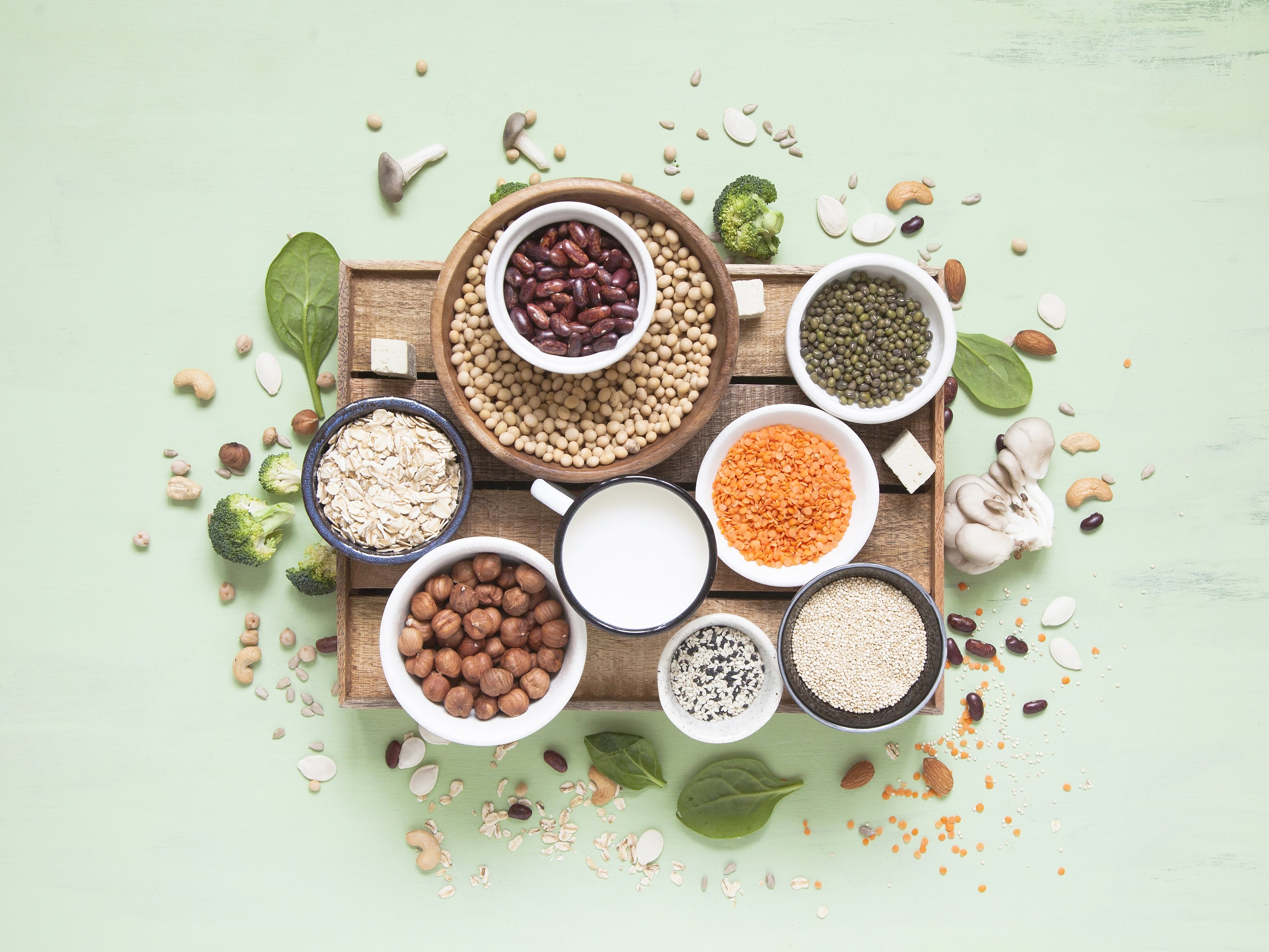
Plant protein from beans, nuts, and seeds
In EPIC-Oxford, vegans did consume more legumes, nuts, vegetables, and fruits than meat eaters, but on average, vegetable intake was only 173-200 g/day, which is less than two cups of vegetables daily.
Average legume intake was 30 g/day, which is only one-sixth of one cup of beans or lentils. Average intake of nuts was less than one ounce/day, and seed intake was not mentioned in the study. This low intake of whole plant foods suggests the vegans in the study were likely getting too many calories from refined carbohydrates and processed foods.
More plant protein improves health and lifespan, especially as we get older
Certainly, the evidence is conclusive that a high-animal protein diet increases cancer risk and shortens lifespan,8-12 but we need sufficient protein to support muscle growth and bone mass, especially as we get older.13 One important thing to note is that older adults are most vulnerable to bone loss, osteoporosis, and fractures as absorption and assimilation of protein and calcium decreases with aging, increasing their protein and calcium requirements compared to younger people.
The Nutritarian difference
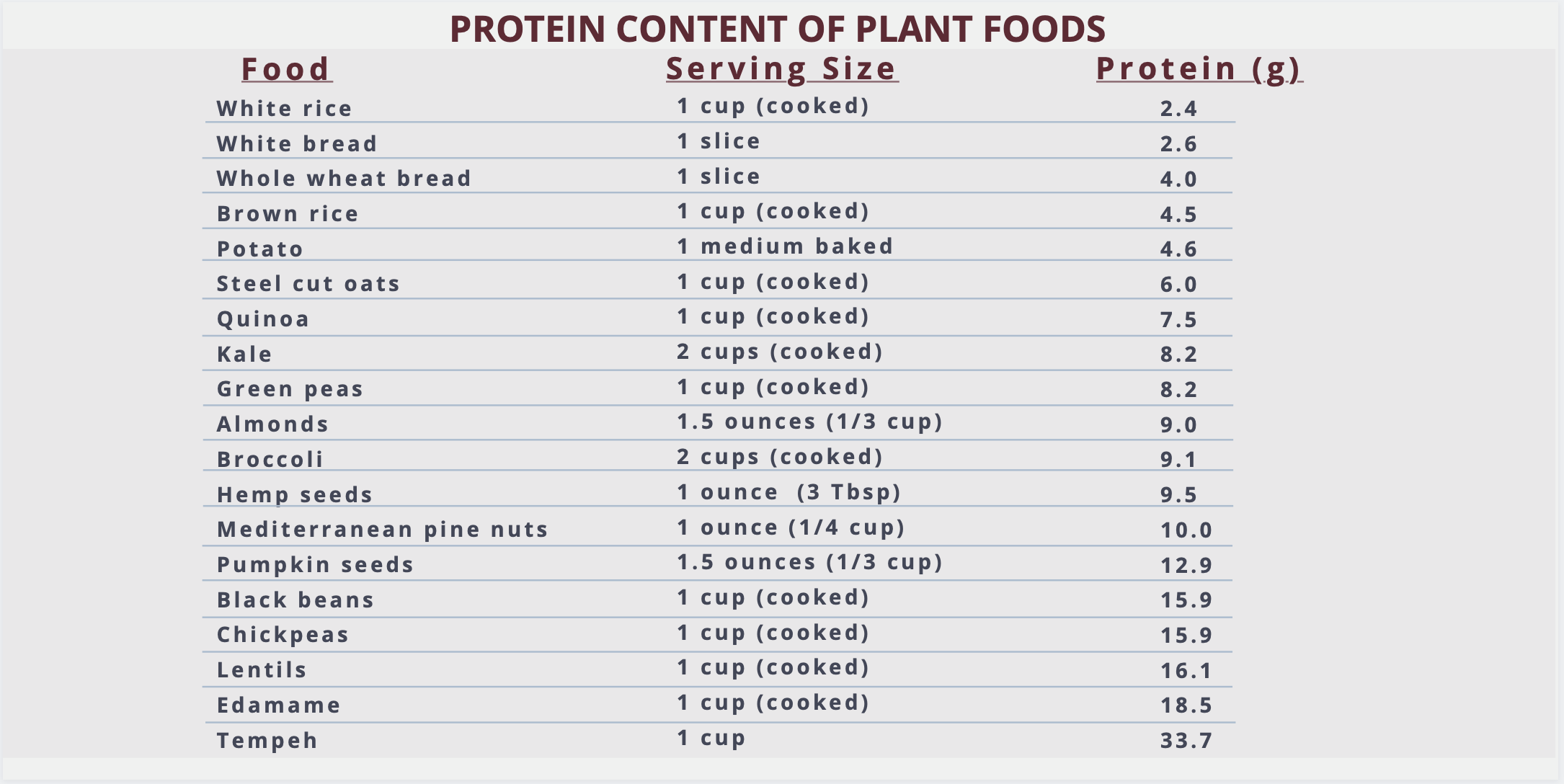
A Nutritarian diet may be low in animal protein, but it contains more plant protein compared to most other plant-based diets. Getting enough protein on a vegan diet isn’t difficult, but it does require attention to nutritional variety. Relying on high-glycemic, low-protein foods like refined carbohydrates, rice, and potatoes for most of your calories will likely result in inadequate protein as well as a high glycemic load, which is also detrimental to bone health. A higher blood glucose level is not good for the bones.14,15
Other high-credence studies with large numbers of participants have corroborated this—that more protein-rich plant foods lead to better health and longer lifespan and more protein-rich animal products leads to worse health outcomes and shorter lifespan.12,16-20 The secret sauce here is to eat more protein-adequate plant foods.
A diet with a variety of plant protein sources – beans (including soybeans), seeds, nuts, and vegetables – provides adequate (but not excessive) amounts of protein and a more complete array of each essential amino acid.21 Certain plant foods are higher or lower in certain essential amino acids, and a variety of foods ensures we don’t have a low intake of any particular one; this is important for bone health since certain essential amino acids, including lysine – which is higher in legumes than many other plant foods – may facilitate collagen formation.21-23
Protein needs are greater for adults over approximately age 70.24, 25 In addition to increasing legumes and seeds, older adults who experience loss of bone or muscle mass with aging might consider adding a plant-based protein supplement (pea, hemp, or pumpkin protein) or a small amount of animal protein, such as an egg white, if needed to help maintain muscle mass and strength.
Previous data on bone health in vegans, vegetarians, and non-vegetarians from the Adventist Health Study suggests adequate protein intake is an important strategy for preventing fractures. Greater plant protein intake was associated with a lower risk of wrist fractures in vegetarian women, and greater intake of legumes and meat substitutes were associated with a lower risk of hip fractures in men and women.23, 26
Calcium-rich foods
Most people do no consume enough calcium-rich plant foods, such as beans and green vegetables. Bone tissue is made up of mostly calcium phosphate and collagen, with 99% of the calcium in the body stored in our bones. Adequate dietary calcium is necessary for strong bones. Although dairy products are not health-promoting, non-vegans most often get adequate calcium because of dairy intake. Plant foods can provide adequate calcium (along with other minerals, vitamins, fiber, and phytochemicals), but vegans must pay attention to eating these calcium-rich foods. How much calcium we absorb varies depending on the food source, as you can see in the table below.26 The difference in fractional calcium absorption between kale and spinach, for example, can be explained by the high oxalate content of spinach. Absorption inhibitors bind to certain minerals in plant foods, preventing the body from absorbing the minerals. Oxalate inhibits the absorption of calcium. If your goal is to increase calcium intake, spinach should not be a major leafy green in your diet, since others, such as kale and bok choy, are low in oxalate and contain more absorbable calcium.28 Spinach, chard, rhubarb, and beet greens are high in oxalate.
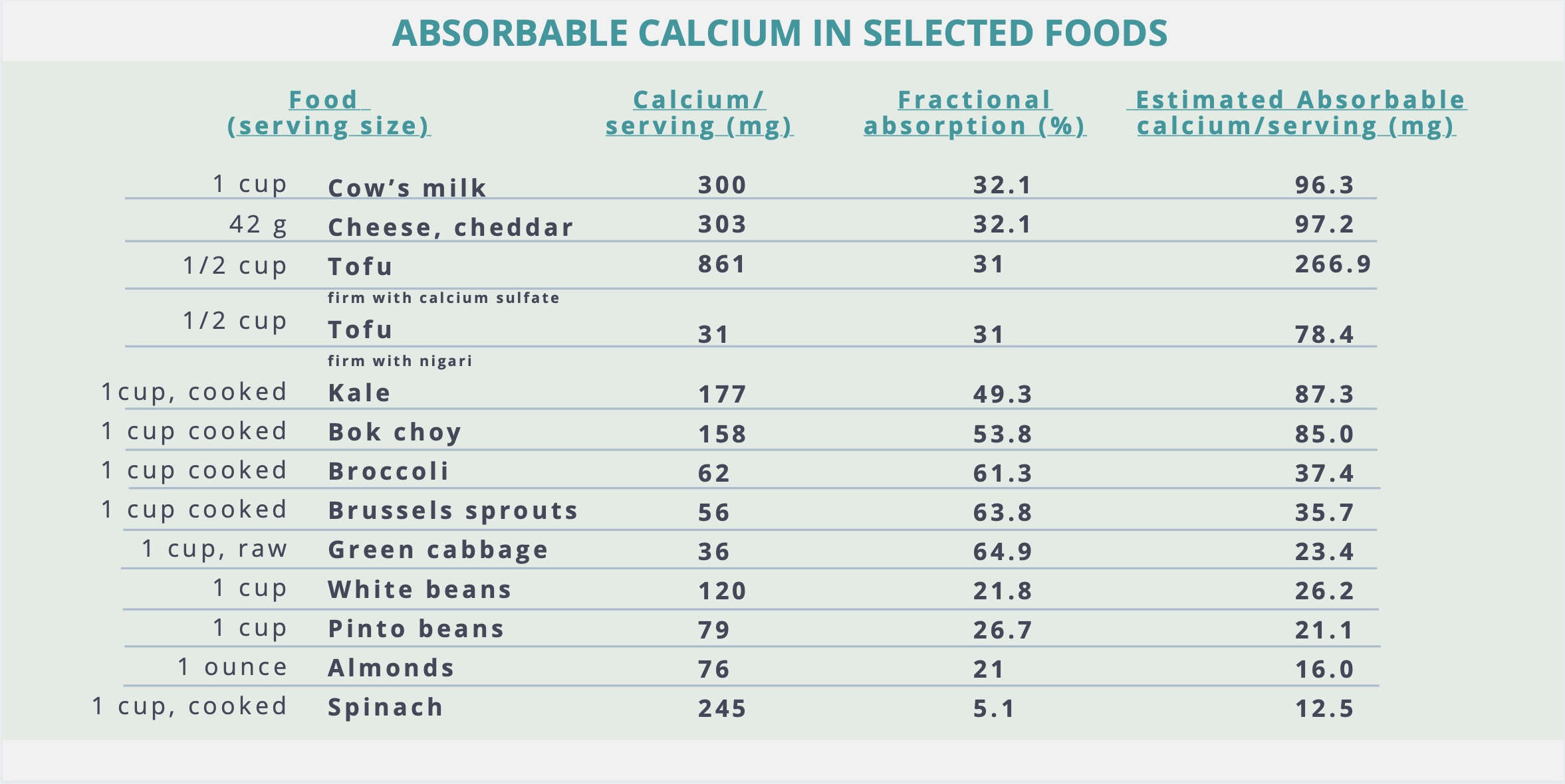
Note: Tofu is prepared with calcium sulfate or magnesium chloride and calcium sulfate (sometimes called nigari). Check the Nutrition Facts panel for calcium content.
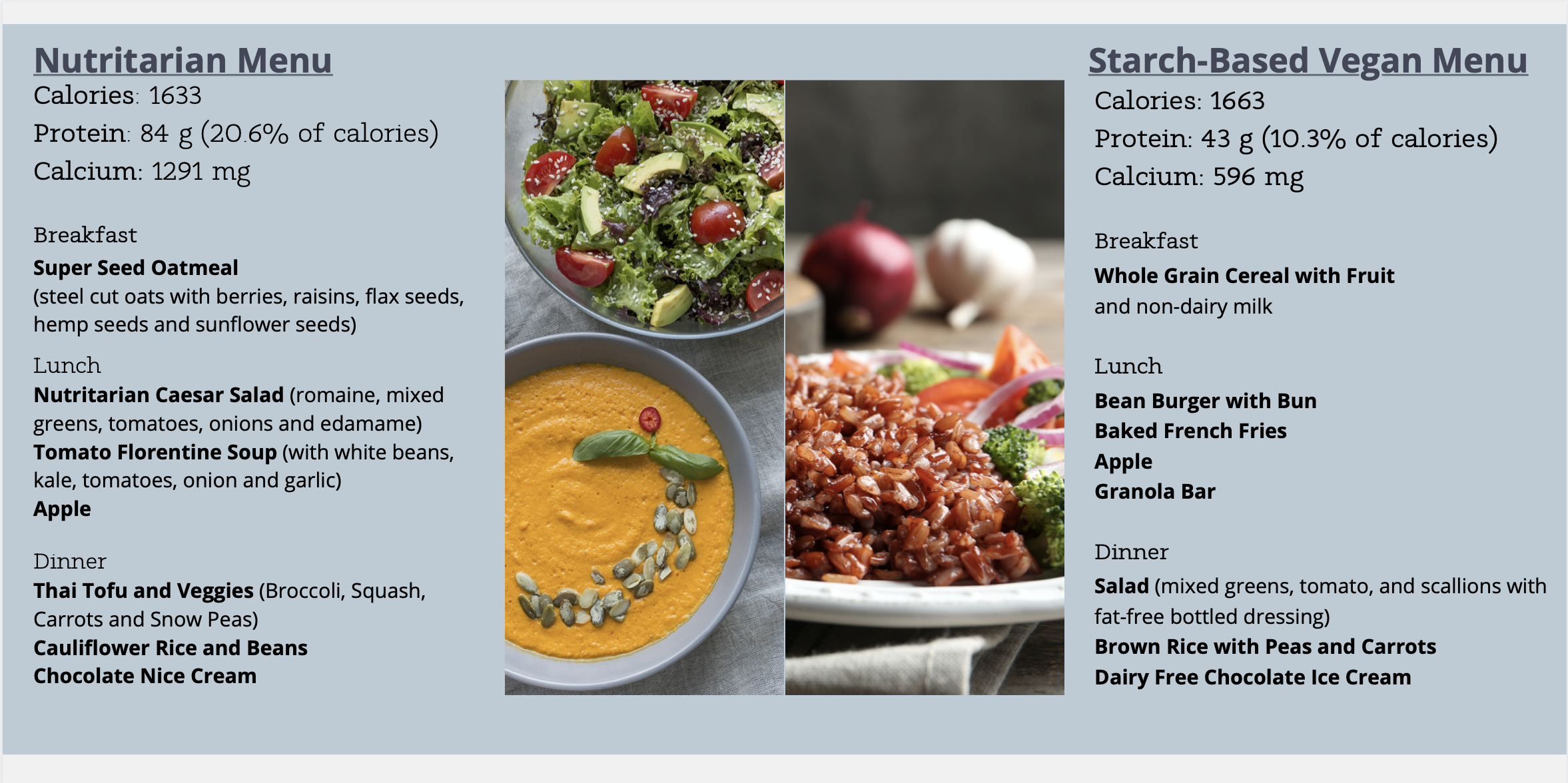
Nutritarian diet vs. starch-based vegan diet
Vitamins D and K
In the EPIC-Oxford study outlined above, the researchers did not have data on what supplements the participants took. It is possible that lack of supplementation, especially of vitamin D, could have contributed to the elevated fracture risk in vegans in the study.
About 35% of Americans do not meet the recommended intake of vitamin K, and for vitamin D, the number is even larger – 70% don’t meet the recommended intake daily.32 Vitamin D is important for bone health because it regulates absorption of calcium and phosphorus, which are major components of bone tissue. Deficiency in vitamin D increases the risk of fractures.33,34
A vast amount of research supports a blood concentration of vitamin D (as measured by 25(OH)D) in the 30-45 ng/ml range for fracture prevention.35 I recommend most people supplement to achieve such a blood level, so they can avoid excessive skin aging and skin damage from too much sun exposure. 2000 IU (50 mcg) is an appropriate dose for most adults to be able to achieve this favorable range in the blood. Awareness of all diet, lifestyle, and supplement components that can affect fracture risk and falls is important.
Related: Vitamin D is Crucial to Overall Health
Low vitamin K status is associated with a greater risk of hip fracture or low bone mineral density (BMD),36-39 and higher vitamin K intake has been linked to a lower risk of fractures.40 Green vegetables are the richest source of vitamin K1.
Appropriate calcium supplementation
For many people, green vegetables, beans, nuts, and seeds most likely provide enough calcium without the need for supplements. However, calcium requirements are higher for certain groups. Pregnant, nursing, and postmenopausal women, as well as men and women with osteopenia or osteoporosis and those with a small appetite for green vegetables might consider adding a small dose of supplemental calcium, spread out with each meal to ensure sufficient calcium intake. I recommend using lower dose, food-derived calcium supplements (whole powdered seaweed, for example), at a dose of 200-300 mg/meal) to add to the calcium already in the meal, thus avoiding a huge amount of concentrated calcium coming in all at once. So I do not recommend high-dose (1000 mg or more) calcium supplements, because there is preliminary (though still inconclusive) evidence that those high doses may be harmful to the cardiovascular system.44,45
Related: High-dose calcium supplements may damage the cardiovascular system
Exercise
Food provides the raw material, but exercise is essential for building muscle and maintaining bone mass. In the UK Biobank study, vegetarians had lower lean mass than meat-eaters. Strength training and weight-bearing exercise (such as running and jumping) are effective at building bone strength.46-48 These types of exercise stimulate activity in bone-building cells, leading to denser, stronger bones.
Related: Exercise is essential for heart health, slowing aging, and cognitive function
The meat of the story
The conclusion here is that the recent findings that vegans are at higher risk of fractures is consistent with other studies that show that paying attention to plant protein is important for those following vegan diets. A Nutritarian diet is the gold-standard of plant-based diets as the dietary portfolio is rich in the most health and longevity-promoting foods—which are also good for the bones. The evidence is clear – to assure excellent health and longevity the intelligent and conservative use of some supplements is indicated.
Let’s face reality here—a healthier diet is healthier than one that is less healthy. As ridiculous as that sounds many people are trying to pawn off the idea that even a haphazardly designed diet is fine as long as you don’t eat animal products. The facts point to the conclusion that many vegans are not eating healthfully enough. I hope that’s not you.