Seasonal allergies, also known as allergic rhinitis or “hay fever” is a constellation of symptoms including sneezing or stuffy/runny nose that occurs when exposed to substances such as pollen or mold spores which the body recognizes as harmful invaders. When inhaled, these substances cause an immune response leading to inflammation, mucus production, and cold-like symptoms.
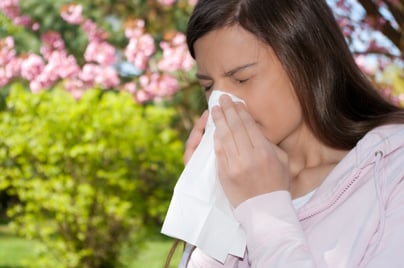
Seasonal allergies impair the day-to-day activities and quality of life of many people in the U.S.: about 7.5% of adults and 9% of children.1 Hay fever that occurs seasonally is usually due to pollen from grasses, weeds, and trees, as well as spores from fungi and molds. Perennial allergies that occur year round are usually due to animal dander, dust mites, cockroaches, fungi or mold.
Symptoms of seasonal allergies include:
Symptoms can occur at any age, although generally start in childhood or young adulthood.
Whether someone develops seasonal allergies or other allergic conditions depends on a combination of genetic and environmental factors. A family history of allergies is the strongest risk factor. The hygiene hypothesis describes how decreased exposure to viruses and bacteria early in life may increase susceptibility to allergic conditions. Exposure to cigarette smoke during early childhood and childhood acetaminophen use are linked to greater risk of allergies.2 The relatively low intake of omega-3 fatty acids in developed countries is also a potential reason for increasing allergy prevalence. In contrast, breastfeeding and a healthful early childhood diet are protective factors. Intake of fruits, vegetables, seeds, and nuts in children has been associated with reduced asthma and allergy symptoms.3 Getting adequate vitamin D during pregnancy may also be protective against the development of allergies in children.4
Diet
I have observed patients improve and even resolve seasonal allergies between one and two years on a Nutritarian diet. Immunotherapy by an allergist can be considered for more troubling symptoms especially in patients who have not had significant improvements with dietary intervention after one year of treatment.
ONLINE: All members of DrFuhrman.com can search the Ask the Doctor archives for discussions on this topic. Platinum and Diamond members can connect with Dr. Fuhrman by posting questions in the forum. Not a member? Join now.
IN PERSON or ONLINE: Book a consultation with a specialist at Longevity Rx in San Diego, California, run by Joel Fuhrman, MD and Cara Fuhrman, ND. Using nutritional protocols, cutting-edge screening tools, advanced imaging, and innovative treatments for pain and injuries, they'll create a personalized action plan to help you prevent and recover from illness, and achieve your optimal weight. Book online at Longevity Rx or call +1 (858) 367-3558
EVENTS: Join Dr. Fuhrman for an online boot camp, detox or other event. During these immersive online events, you’ll attend zoom lectures, follow a special meal plan, and have access to a special, live Q&A session with Dr. Fuhrman. Learn more about events.
The following are sample questions from the Ask the Doctor Community Platinum and higher members can post their health questions directly to Dr. Fuhrman. (All members can browse questions and answers.)
My son is prone to seasonal allergies. He is currently taking a Claritin daily which doesn’t seem to be doing the trick, as he is still congested with itchy eyes. In addition to your recommended Nutritarian diet, do you recommend any specific supplements? If just starting the diet, how long before we can expect to see some improvement?
Seasonal allergies usually begin to improve within the first year on a Nutritarian diet and can be significantly resolved by the second year of eating this way. I recommend the same supplements that I recommend for everyone (see Vitamin Advisor) to assure no insufficiencies are present and to maintain an adequate balance of DHA in tissues.
Last year, for the first time in my life, I got allergies and my eyes swelled up. I had to take over-the-counter drugs to have the swelling come down, but I’d rather not. What can I do this year to prevent them, and should I get them again, what can I do to get rid of them?
During my clinical experience over the last 20 years, hundreds of individuals have reported that their seasonal allergies have improved or resolved with a Nutritarian diet. In addition to a Nutritarian diet, adequate vitamin D levels and higher omega-3 intake have been associated with reduced risk for seasonal allergies. See below:
https://www.drfuhrman.com/library/Allergies.aspx