What blood tests do I need?
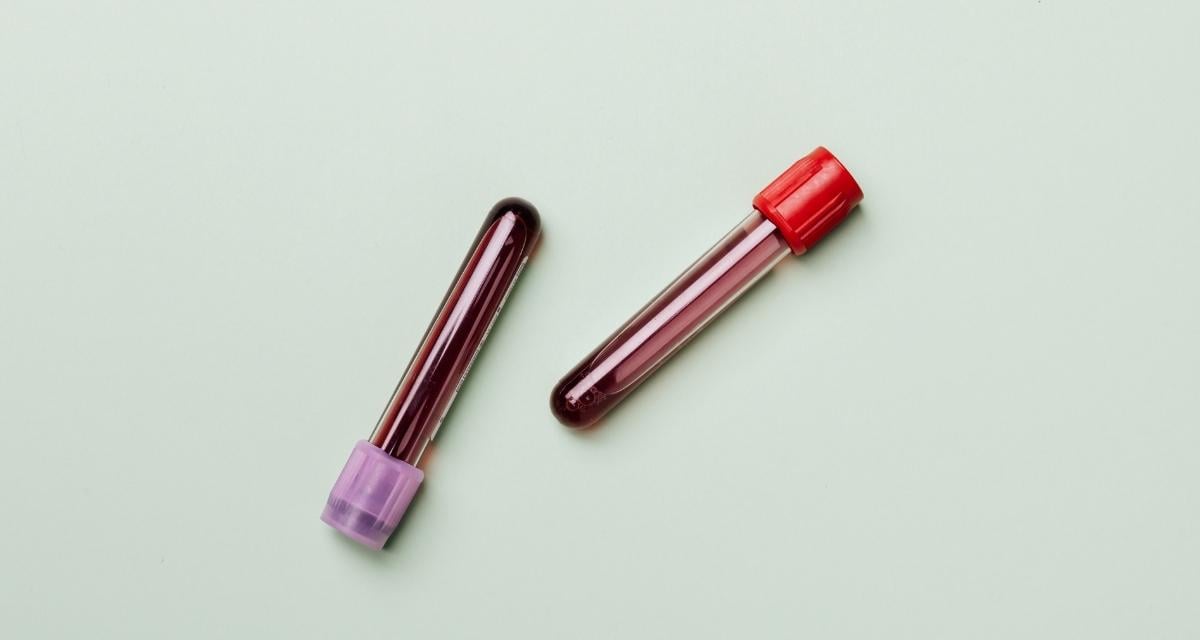
When it comes to your managing your health, an early warning system is a distinct advantage. That’s where blood tests come in: They are an important tool for assessing your overall health, and provide valuable insight into any potential issues that may be developing. Your healthcare provider likely orders a standard screening panel at your annual physical. The problem is, these tests may not pick up on some important nutritional deficits that can impact your health.
In addition to the standard tests ordered by your physician, I recommend the following tests for those who follow a Nutritarian diet. These tests will give you a clearer picture of your overall nutritional status – what I call your Nutrient IQ.
Why do I need special blood tests?
When following a diet of high-nutrient plant foods, it is important to ensure that you are getting optimal amounts of some vitamins, minerals, and fatty acids that are more available in animal products. Also, some people, especially those over the age of 70, require extra protein to maintain adequate IGF-1 levels. Ensuring that risk factors for diabetes and heart disease are at favorable levels is also important.
How often do I need these tests?
The recommended schedule would be to have these tests every 5 years for adults younger than 65, and every three years for age 65 and older.
Summary
In addition to the standard blood tests ordered by many primary care physicians, Dr. Fuhrman recommends the following blood tests for those who follow a Nutritarian diet every 5 years, and every 3 years starting at age 65: Vitamin B12 & methylmalonic acid (MMA); Homocysteine; Ferritin; HbA1c; Vitamin D; Omega-3 index; Insulin-like growth factor 1 (IGF-1): for those age 75 and older; and oxidized LDL or measured LDL: for those with a history of LDL cholesterol above 110.
Read:
Why Take a Multivitamin?
Iron recommendations for pregnant women
Type 2 Diabetes
Vitamin D is crucial to overall health
How omega-3 fatty acids support brain health
IGF-1, dietary protein and cancer
Cholesterol
Vitamin B12 & methylmalonic acid (MMA)
Vitamin B12 is not naturally present in plant foods, and insufficiency is common, especially over age 60 because B12 absorption becomes less efficient as we age. Vitamin B12 is important for immune function, brain function, red blood cell production and DNA synthesis.1 In the mitochondria, vitamin B12 is required for the conversion of methylmalonyl-CoA to succinyl-CoA; when B12 levels are low, methylmalonyl-CoA begins to accumulate and enters the blood as methylmalonic acid (MMA). Elevated MMA in the blood indicates insufficient B12.2 Having results for both B12 and MMA is helpful, as a high MMA might indicate a mild deficiency or a developing deficiency if B12 results are on the lower end of the normal range.
Favorable ranges
B12: 160-950 pg/ml or 118-701 pmol/L
MMA: Normal ranges vary somewhat between different labs. The normal range is approximately < 300 nmol/L or < 0.3 µmol/L.3,4
Homocysteine
Vitamin B12 acts as a coenzyme for methionine synthase, which produces methionine from homocysteine. Deficiency in B12 (or folate) results in accumulation of homocysteine.2 Elevated homocysteine is also a risk factor for cardiovascular disease. In excess, homocysteine promotes oxidative stress, endothelial dysfunction, and inflammation. Elevated homocysteine has also been linked to a greater risk of dementia.5
Favorable range: < 15 µmol/L
Ferritin
Ferritin is a protein that stores iron. A low ferritin level in the blood indicates iron deficiency. The iron in plant foods is less absorbable than that from animal foods, and some people on a vegan or near-vegan diet, especially women who are pregnant or of childbearing age, may require iron supplementation.
Favorable range
Men: 50-336 µg/L
Women: 40-307 µg/L
Note: Iron supplementation guidelines based on ferritin concentration are provided in the Personalized Vitamin Advisor and General Supplement Guidelines.
HbA1c
Hemoglobin A1c is an indicator of long-term (about 3 months) blood glucose levels. The test measures the percentage of hemoglobin in the blood that is glycosylated (attached to a sugar molecule). More glycosylated hemoglobin is formed at higher blood glucose concentration, and it accumulates over the lifetime of the cell.6 A high A1c level indicates prediabetes or diabetes.
Favorable range: < 5.7%
Vitamin D
The primary source of vitamin D is sunlight, and supplementation is appropriate to assure vitamin D adequacy year-round and prevent skin damage from excessive sun exposure. Low vitamin D levels are associated with osteoporosis, depression, autoimmune disease, cancer and diabetes.7 Excessively high vitamin D levels may also be harmful to health.8-12
Favorable range: 30-45 ng/ml or 75-115 nmol/L
Omega-3 index
The long-chain omega-3 fatty acids DHA and EPA are usually supplied by fatty fish. DHA and EPA are important structural and functional components of brain and retinal cell membranes, and have anti-inflammatory and cardiovascular benefits.13 Studies have linked a low omega-3 index (below approximately 5-6%) with increased risk of cognitive decline in older adults.14,15 Conversion of alpha-linolenic acid from plant foods to DHA and EPA is limited, and consuming pre-formed DHA and EPA (preferably from an algae-derived supplement) is the most reliable way to increase omega-3 levels in the blood.16-19 Adequate levels can be confirmed with an omega-3 index test. The omega-3 index is a measure of the percentage of fatty acids in red blood cell (erythrocyte) membranes that are made up of DHA and EPA.
Favorable range: > 6% (I have recently increased my recommendation from 5% to 6% due to corroborative evidence of several recent studies on omega-3 index)
Insulin-like growth factor 1 (IGF-1): for those age 75 and older
Insulin-like growth factor 1 (IGF-1) is a growth-promoting hormone that is important during childhood and adolescence. IGF-1 levels peak during our teens and twenties and then decline as we age. In adults, circulating IGF-1 is primarily determined by protein intake; animal protein increases IGF-1 more than plant protein, and dairy protein is the strongest IGF-1 elevator.20,21 A high IGF-1 level is linked to accelerated aging and an increased risk of cancer and premature death.22-26 However, it is possible for IGF-1 to be too low, especially in older adults. Adequate IGF-1 levels are required for maintenance of bone mass, muscle mass and brain function.27-29
Favorable range: 100-160 ng/ml
Oxidized LDL or measured LDL: for those with a history of LDL cholesterol above 110
Elevated low-density lipoprotein (LDL) cholesterol is one of many risk factors for cardiovascular disease. However, oxidized LDL (oxLDL) is a more important marker of disease risk than total LDL, because oxidized LDL is more atherogenic (plaque formation-promoting) than native LDL. Oxidized LDL also promotes endothelial dysfunction, progression of atherosclerotic plaque, and destabilization of atherosclerotic plaque.30
Measured LDL, also called “direct” LDL, measures the concentration of LDL cholesterol in the blood rather than calculating it using measurements of other lipids. Usually, circulating LDL cholesterol is calculated from the measurements of total cholesterol, high-density lipoprotein cholesterol (HDL), and triglycerides. The results of calculated LDL are less reliable when LDL is low or triglycerides are high.31
Favorable ranges
oxLDL: < 60 U/L
Measured LDL: < 100 mg/dl