Sleep apnea is a disorder characterized by periods of apnea where there is a cessation of breathing for short periods of time during the sleep cycle. There are two types of sleep apnea: central and obstructive. Central sleep apnea occurs when the brain does not send the correct signals to initiate breathing. Obstructive sleep apnea is more common and refers to the cessation of breathing due to narrowing or closing of the throat. Obstructive sleep apnea (OSA) will be discussed here.
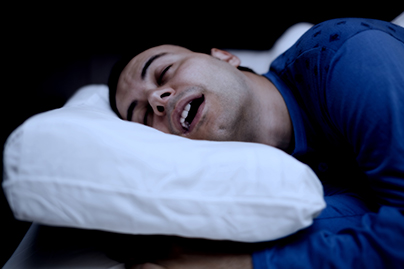
OSA affects 10-17% of men and 3-9% of women in the general population.1 As obesity rates continue to rise, the prevalence of OSA will continue to rise. In OSA, because of the insufficient breathing, the patient’s oxygen levels decrease and carbon dioxide levels increase. This results in he/she awakening to activate the upper airway muscles in order to open the obstructed airway. This leads to poor sleep quality with frequent awakenings leading to other medical conditions, such as high blood pressure and heart disease.
Symptoms of OSA include:
The risk factors /causes of OSA include:
A continuous positive airway pressure (CPAP) machine may be necessary initially until the patient adheres to a Nutritarian diet and loses weight. Pressures can be titrated by your physician.
ONLINE: All members of DrFuhrman.com can search the Ask the Doctor archives for discussions on this topic. Platinum and Diamond members can connect with Dr. Fuhrman by posting questions in the forum. Not a member? Join now.
IN PERSON or ONLINE: Book a consultation with a specialist at Longevity Rx in San Diego, California, run by Joel Fuhrman, MD and Cara Fuhrman, ND. Using nutritional protocols, cutting-edge screening tools, advanced imaging, and innovative treatments for pain and injuries, they'll create a personalized action plan to help you prevent and recover from illness, and achieve your optimal weight. Book online at Longevity Rx or call +1 (858) 367-3558
EVENTS: Join Dr. Fuhrman for an online boot camp, detox or other event. During these immersive online events, you’ll attend zoom lectures, follow a special meal plan, and have access to a special, live Q&A session with Dr. Fuhrman. Learn more about events.
The following are sample questions from the Ask the Doctor Community Platinum and higher members can post their health questions directly to Dr. Fuhrman. (All members can browse questions and answers.)
What is the cause and cure of sleep apnea?
It is related to a toxic diet and being overweight. You need to get yourself in great health at a healthy (thin) weight, and your sleep apnea can resolve. We see symptoms of sleep apnea improve with weight loss and nutritional excellence.

Laura didn't want to die young and lost 88 pounds, reversed her diabetes and depression, now feels better than ever... Read More
Results may vary.

Gaylynn lost 79 pounds, is free of high blood pressure and sleep apnea, her husband lost 60 pounds and his high blood pressure is also gone... Read More
Results may vary.

Kathleen lost 48 pounds she had gained after being diagnosed with a rare autoimmune disease and eliminated most of her medications... Read More
Results may vary.