Can supplements enhance immune function?
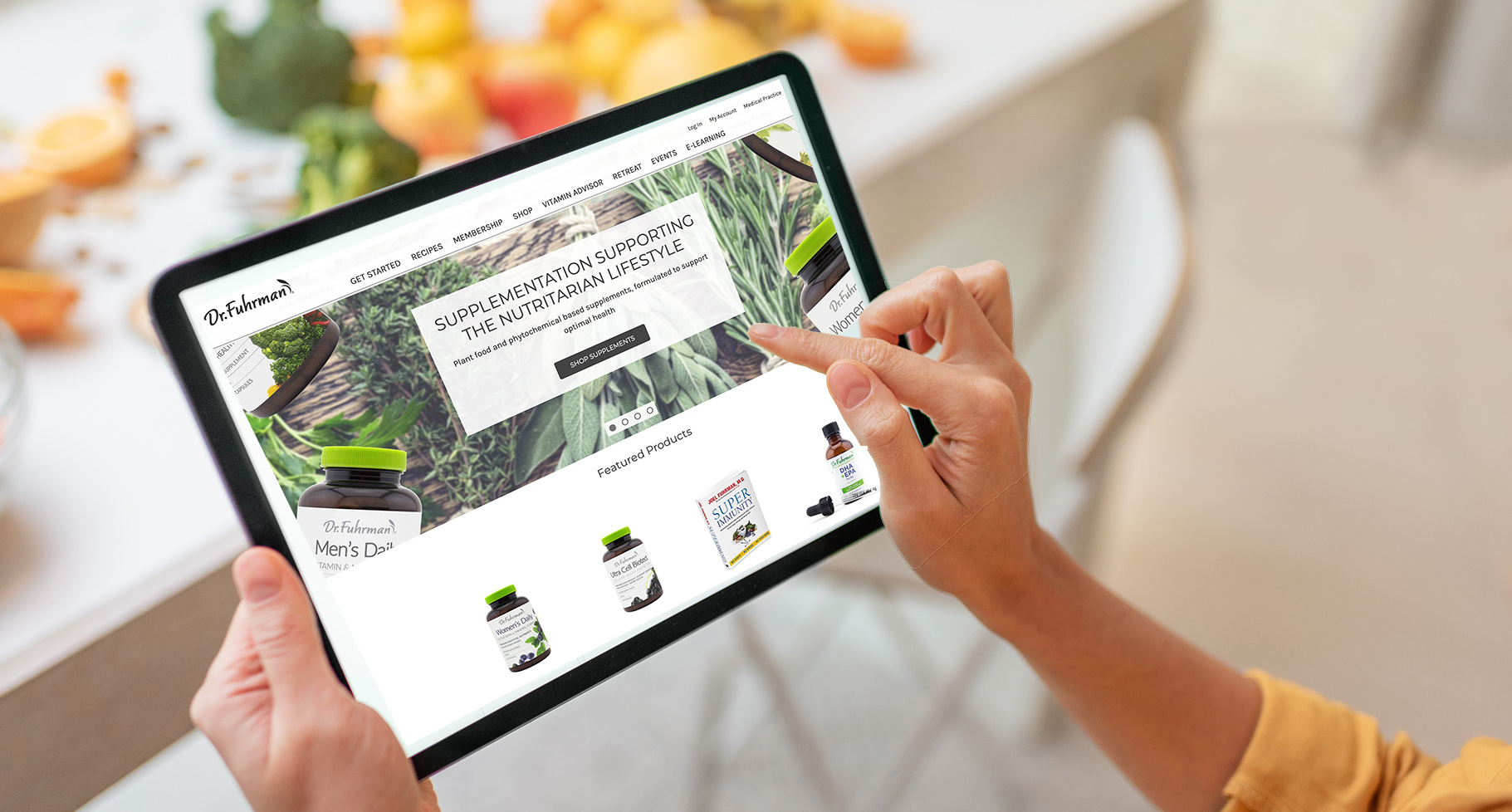
The most important action we can take for immune health is to have a health-promoting lifestyle: to exercise regularly, get adequate sleep, and follow a diet rich in whole plant foods, including a wide variety of colorful vegetables and fruits, plus beans, nuts and seeds, mushrooms, onions, and garlic.
Insufficient intake of almost any vitamin or mineral can impair immune function, and some are particularly important because their availability from food is limited. Omega-3 fatty acids are an integral component of the body’s regulation of inflammation, and certain plant extracts that provide phytochemicals, not typically in one’s diet, may also be helpful for optimizing immune function.
Mushroom powders or extracts
Mushrooms are not exactly plant foods. As fungi, their cell walls contain polysaccharides (beta-glucans) that can interact with receptors on immune cells including macrophages, dendritic cells, T cells, and natural killer (NK) cells.1 These immune-modulating effects may aid the body’s defenses against microbial invaders and developing tumors.2-4
The majority of clinical studies on mushroom-based supplements have used high-dose, concentrated mushroom extracts as an adjunct to chemotherapy in patients with cancer, aiming to reduce the immunosuppression and enhance the anti-tumor effects of the chemotherapy. There are promising findings, but more research is necessary. These are more concentrated, higher doses than one would take in a supplement.5-9
I recommend eating mushrooms every day because of their health-promoting phytochemicals, such as ergothioneine, aromatase inhibitors, and beta-glucans. Increases in salivary immunoglobulins were reported in human studies in which participants ate white button mushrooms or shiitake mushrooms. Immunoglobulins are antibodies secreted by mucosal surfaces, for example the gastrointestinal and respiratory tracts.10,11
Action item:
I recommend taking a mixed mushroom supplement daily. My view is that adding phytochemical variety from multiple mushrooms not usually found in one’s diet in a small dose is likely beneficial for the immune system.
Explore the supplements with organic mushroom extracts:
Immune Biotect
Mushroom Chai Superfood Powder
Sources:
The immunobiology of mushrooms
Effects of beta-glucans on the immune system
Immunostimulatory Properties and Antitumor Activities of Glucans
The effects of beta-glucan on human immune and cancer cells
Dietary intake of Agaricus bisporus white button mushroom accelerates salivary immunoglobulin A secretion in healthy volunteers
Consuming lentinula edodes (shiitake) mushrooms daily improves human immunity: a randomized dietary intervention in healthy young adults
Immune modulation from five major mushrooms: application to integrative oncology
Mushroom polysaccharide lentinan for treating different types of cancers: A review of 12 years clinical studies in China
Ganoderma lucidum (Reishi mushroom) for cancer treatment
Trametes versicolor mushroom immune therapy in breast cancer
Polysaccharide K and Coriolus versicolor extracts for lung cancer: a systematic review
Elderberry, Astragalus root
Flavonoid-rich elderberry has antiviral effects against the influenza virus when tested in a lab. One randomized controlled trial provided evidence that supplementation with black elderberry juice may shorten the duration of influenza symptoms. More research is necessary to determine whether daily elderberry consumption has significant protective effects against flu and at what dose.12-14 In cell and animal studies, flavonoid-rich astragalus extracts have increased proliferation or enhanced the activity of several immune cells and promote immune anti-tumor activity.15
Action item:
Conservative supplementation with elderberry extract and astragalus root may have protective benefits. You will find them, along with 10 different mushrooms as key ingredients in my Immune Biotect supplement.
View Immune Biotect
Sources:
Flavonoids as Natural Anti-Inflammatory Agents Targeting Nuclear Factor-Kappa B (NFkappaB) Signaling in Cardiovascular Diseases: A Mini Review
Antiviral activity of phytochemicals: a comprehensive review
Elderberry flavonoids bind to and prevent H1N1 infection in vitro
Astragalus membranaceus. Monograph
Vitamin D
Vitamin D regulates important antimicrobial proteins, stimulates immune cell proliferation, and enhances production of chemical messengers (cytokines) that regulate the immune response.16
Lower vitamin D levels are associated increased risk of respiratory infections, and in randomized controlled trials supplementation with vitamin D is associated with a decreased risk, especially in people with vitamin D deficiency.17-19 Vitamin D may also be involved in the seasonality of influenza, since limited time outdoors, due to cold weather, reduces skin production of vitamin D.20
Action item:
Reaching vitamin D sufficiency is important for proper immune function. I recommend a blood 25(OH)D of 30-50 ng/ml. I’ve created a line of multivitamins to ensure adequate levels of vitamin D. Most multivitamins only contain about 10 mcg (400 IU) of vitamin D, but my Dr. Fuhrman multivitamins contain 50 mcg (2000 IU) of vegan vitamin D3, so that you can achieve optimal levels of vitamin D in the blood while minimizing the number of supplements you take.
Explore multivitamins
Sources:
Linus Pauling Institute Micronutrient Information Center. Immunity in Depth
Vitamin D supplementation to prevent acute respiratory tract infections: systematic review and meta-analysis of individual participant data
Nutritional Modulation of Immune Function: Analysis of Evidence, Mechanisms, and Clinical Relevance
Epidemic influenza and vitamin D
Zinc
The function of several types of immune cells, like macrophages, neutrophils, natural killer cells, T cells, and B cells are dependent on an adequate zinc supply. Immune cell numbers are reduced by zinc deficiency, weakening immune defenses.21-24
Zinc is of interest as a supplement because it is less absorbable from plant foods than animal foods, and the body’s zinc stores are small, so a deficiency can develop relatively quickly.24,25 Zinc needs are estimated to be about 50 percent higher for people who follow a completely plant-based diet.21,26-29
As we get older, taking nutritional care of the immune system becomes even more important, as immune function begins to decline. Studies in older adults suggest improving zinc status in the elderly improves immune system function and resistance to infection.30-33
Action item:
Ensure that your multivitamin includes zinc. My line of supplements is specifically geared towards the needs of those following a Nutritarian or plant-based diet.
Learn more
Sources:
Zinc in human health: effect of zinc on immune cells
Role of Zinc in Immune System and Anti-Cancer Defense Mechanisms
Office of Dietary Supplements, National Institutes of Health. Dietary Supplement Fact Sheet: Zinc
Zinc Deficiency. In StatPearls
Effect of vegetarian diets on zinc status: a systematic review and meta-analysis of studies in humans
Bioavailability of iron, zinc, and other trace minerals from vegetarian diets
The role of zinc in life: a review.
Serum zinc and pneumonia in nursing home elderly
Effect of zinc supplementation on serum zinc concentration and T cell proliferation in nursing home elderly: a randomized, double-blind, placebo-controlled trial
Zinc supplementation decreases incidence of infections in the elderly: effect of zinc on generation of cytokines and oxidative stress
Low zinc status: a new risk factor for pneumonia in the elderly?
Omega-3 fatty acids
The long-chain omega-3 fatty acids, DHA and EPA, are crucial for overall brain health. Not only that, they are key factors in regulating the balance between pro-inflammatory and anti-inflammatory substances. Omega-3s also modulate the function of several types of immune cells, including macrophages, neutrophils, and T cells.34,35 Since conversion of ALA from plant foods to DHA and EPA varies by individual and is generally inefficient, I recommend supplementation, preferably with a lab-grown, algae-derived source instead of fish oil.
Action item:
Conservative supplementation is the way to go – I recommend about 250 mg/day of a combination of DHA and EPA. The DHA/EPA Purity comes in a dropper for a quick way to ensure you consume adequate levels of omega-3 fatty acids.
View DHA+EPA Purity
Sources:
Omega-3 fatty acids EPA and DHA: health benefits throughout life
Effects of Omega-3 Fatty Acids on Immune Cells
Green tea
Immune cells can be exposed to high levels of oxidative stress because the immune system uses oxidative stress to destroy pathogens. The body’s natural antioxidant defenses help protect immune cells.36 The unique flavonoid antioxidant EGCG is found almost exclusively in green tea, and research suggests green tea catechins (such as EGCG) activate our natural antioxidant defenses.37-39 Green tea phytochemicals have anti-inflammatory effects and anti-viral effects and may enhance immune cells’ anti-tumor functions.19,40,41 In a randomized controlled trial in Japan, 197 healthcare workers were assigned to supplemental green tea catechins and theanine (another component of green tea) or placebo for 5 months during flu season. The rate of influenza infection was significantly lower in the supplement group compared to the placebo group.42 Further studies are needed to determine whether green tea provides significant protection and determine the appropriate dose of green tea catechins. I recommend keeping supplemental green tea extracts below a maximum of 300 mg/day EGCG.
Action item:
Laboratory studies have shown that green tea phytochemicals have anti-viral effects and may enhance immune cell function. Green tea as a beverage or a supplement is a healthful addition to a Nutritarian diet. If you take green tea extract as a supplement, I recommend keeping EGCG below a maximum of 300 mg/day.
View Ultra Cell Biotect, which contains a bioavailability-enhanced green tea extract formulation
Sources:
Nutritional Modulation of Immune Function: Analysis of Evidence, Mechanisms, and Clinical Relevance
Effects of antioxidants on immune system ageing
EGCG protects endothelial cells against PCB 126-induced inflammation through inhibition of AhR and induction of Nrf2-regulated genes
Greenselect phytosome for borderline metabolic syndrome
Green tea catechin, epigallocatechin-3-gallate (EGCG): mechanisms, perspectives and clinical applications
Possible Mechanisms of Green Tea and Its Constituents against Cancer
Anti-infective properties of epigallocatechin-3-gallate (EGCG), a component of green tea
Effects of green tea catechins and theanine on preventing influenza infection among healthcare workers: a randomized controlled trial
Turmeric
Curcumin, the signature phytochemical of turmeric root has anti-inflammatory effects, and in studies on animals, curcumin enhanced anti-tumor immune surveillance.43 Curcumin also has antiviral effects when tested in laboratory settings and complements the body’s natural antioxidant defenses.44-48 Perhaps one of the greatest hiccups with curcumin is it is not absorbed well in the body. To aid with that complications we add piperine in black pepper to boost the absorption. Although curcumin is the most widely studied, turmeric contains several other anti-inflammatory phytochemicals.49
Why do turmeric and black pepper create a powerful combination?
Both turmeric and black pepper have key active ingredients that contribute to their anti-inflammatory and antiviral effects. Unfortunately, the curcumin in turmeric is poorly absorbed into the bloodstream. As a result, you could be missing out on its advantages to health. Researchers found, adding black pepper can help. Combining the piperine in black pepper with the curcumin in turmeric enhances curcumin absorption by up to 2,000%.
Action item:
In human trials, curcumin (with piperine) has decreased inflammatory biomarkers; reduced oxidative stress; and improved cholesterol and triglyceride levels. I recommend using turmeric and black pepper together, as a culinary spice and optionally adding supplemental curcumin, since curcumin is poorly bioavailable from turmeric.
View Ultra Cell Biotect, which contains both turmeric root and bioavailability-enhanced curcumin
Mushroom Chai Superfood Powder also contains the turmeric root and black pepper combo
Sources:
Curcumin and tumor immune-editing: resurrecting the immune system
Anti-infective Properties of the Golden Spice Curcumin
Molecular mechanisms of curcumin action: signal transduction
Mitigation of Systemic Oxidative Stress by Curcuminoids in Osteoarthritis: Results of a Randomized Controlled Trial
Antioxidant effects of curcuminoids in patients with type 2 diabetes mellitus: a randomized controlled trial
Antioxidant and anti-inflammatory effects of curcuminoid-piperine combination in subjects with metabolic syndrome: A randomized controlled trial and an updated meta-analysis
Curcumin-free turmeric exhibits anti-inflammatory and anticancer activities: Identification of novel components of turmeric