During Cold & Flu Season, Protect Yourself by Eating Right
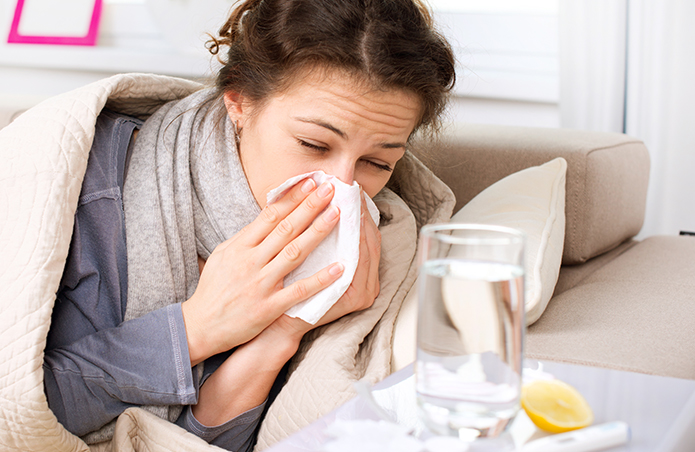
We all know the basics for reducing exposure to colds and flu: Wash your hands, avoid touching your face, and avoid being exposed to people who are already ill.
But there are other, highly effective measures we can take to protect ourselves.
The first one that probably comes to mind is the influenza vaccine. But here's what you need to know: the flu vaccine is not very effective.
An independent analysis of flu vaccine studies by Cochrane – a non-profit, non-government organization that organizes medical research information – found that under typical conditions, according to randomized controlled trials, vaccination reduced seasonal influenza rates from 2.3% to 0.9%, and reduced the rate of influenza-like illness from 21.5% to 18.1% among healthy adults (ages 16-65).
In other words, 71 healthy adults need to be vaccinated to prevent one case of influenza, and 29 need to be vaccinated to prevent one flu-like illness.1
Staying safe from flu virus and colds
Those of us who eat healthfully need not worry about the dangers of the flu. Excellent nutrition can reduce our vulnerability to infection and reduce the length and severity of illness if we do become infected.
Many micronutrients are required to support proper function of the immune system, and phytochemicals from colorful produce have additional anti-microbial and immune-boosting effects.
Make sure your diet includes the following immune boosting superfoods.
Mushrooms
Mushroom polysaccharides called beta-glucans have a unique ability to activate the body’s natural immune defenses.2,3 Additional phytochemicals in mushrooms, such as the antioxidant ergothioneine, and mushroom lectins, also have health-promoting properties.
Reishi and shiitake mushrooms enhance activity of natural killer (NK) cells, which attack cancerous and virus-infected cells.4,5 Shiitake mushrooms protect against influenza infection in animal studies.6-8
Fortunately, it is not only exotic mushrooms that benefit immune cell function. Dendritic cells are another type of immune cell that protects the respiratory tract, and their activity is also enhanced by white button mushroom phytochemicals.9
The effect of mushrooms on human immune function has been investigated in two interesting studies, one on white button mushrooms and one on shiitake mushrooms.
In both studies, the mushroom group showed an increase in immunoglobulin A secretion in saliva compared to the placebo group.
Immunoglobulins are antibodies secreted in the digestive tract to protect us against infection, and this component of immune function was enhanced by eating mushrooms.10,11
Mushrooms should only be eaten cooked. Several raw culinary mushrooms contain a potentially harmful compound called agaritine, and cooking mushrooms significantly reduces the agaritine content.12,13
Related: Mighty Mushrooms: Boost Immune Function and Brain Health and Guard Against Cancer
Because various mushrooms have differing and profound immune system and anti-cancer benefits, I also recommend taking a mixed mushroom supplement containing 9 well-documented protective species.
Cruciferous vegetables
In addition to their well-known anti-cancer effects, cruciferous derived phytochemicals (isothiocyanates, such as sulforaphane, and indole-3-carbinol) also promote good immune system function and have antimicrobial properties.14-16
For example, interesting research on intestinal immunity has suggested that cruciferous vegetable phytochemicals are an important component of immune system function by maintaining adequate numbers of immune cells in the gut called intestinal epithelial lymphocytes.17
Cruciferous vegetable phytochemicals may also enhance interferon activity, which is an important component of the body’s antiviral response.14,15,18
To maximize isothiocyanates (ITCs), chop cruciferous vegetables finely, eat them raw and chew them well. The enzyme that converts glucosinolates to ITCs (called myrosinase) is activated by disrupting the plant cells and deactivated by heat.
However, you can still get ITCs from your cooked cruciferous vegetables. Chop them finely before you begin to cook, and add some raw cruciferous to the meal.
For instance, if you are eating cooked broccoli, add some shredded cabbage to your salad, which will provide some myrosinase to produce more ITC from the already cooked broccoli.
Gut bacteria have the myrosinase enzyme, so a small amount of ITCs from cooked cruciferous vegetables will be produced in the digestive tract as well.
Related: Cruciferous Vegetables Offer Great Cancer Protection
Berries
Berries are powerful anti-cancer foods that also offer protection against viruses.
Antioxidants called flavonoids, which are abundant in berries, have antiviral and anti-inflammatory properties, as well as effects on immune cells that promote the resolution of inflammation.19-21
Studies suggest supplementing with flavonoid-rich elderberry juice, starting at the onset of symptoms, could shorten the duration of illness from flu.22,23
Randomized controlled trials have found that consuming blueberries, raspberries, or strawberries had a variety of immune health benefits, such as reducing oxidative stress in immune cells, increasing numbers of some types of immune cells including natural killer cells, and promoting growth of beneficial gut bacteria.24-29
Berries are also some of the many vitamin C-rich plant foods. Vitamin C protects immune cells from oxidative damage.30
Onions & Garlic
As with cruciferous vegetables, the same onion and garlic phytochemicals known for their anti-cancer effects have immune-supporting effects.31-33
In laboratory studies, garlic-derived phytochemicals such as allicin and S-allyl cysteine increase the activity of several immune cell types, including macrophages, T cells, and natural killer (NK) cells.34,35
A randomized controlled trial found that consuming crushed raw garlic upregulated genes involved in immune function and metabolizing and removing toxins.36
Garlic also has antiviral and antibacterial properties.37,38 More research is needed, but one study has provided evidence that garlic supplementation could help reduce the risk of the common cold.39
Like cruciferous vegetables, the active compounds in onions and garlic are produced when the plant cells are disrupted, so It’s best to chop them before eating raw and before they are heated when cooking.
Beans
Because beans, lentil, split peas, and other legumes are so high in indigestible carbohydrates, especially resistant starch, they provide exceptionally effective nourishment for the bacteria of the gut microbiome.40
The gut microbiome, in turn, promotes immune function, supports the integrity of the intestinal barrier, and has anti-inflammatory effects.41
Higher fiber intake has been linked to a lower risk of death from infectious diseases among Americans in their 50s, 60s, and 70s.42
An interesting study compared mice raised on a high-fiber or low-fiber diet. Researchers found that the high-fiber mice had better lung function and longer survival after infection with a flu virus compared to mice raised on a low-fiber diet, due to the diet’s beneficial effects on the microbiome.43
Related: Your gut microbiome influences immune function (and beans keep it healthy)
Helpful supplements
Many essential micronutrients support proper function of the immune system.
Vitamin D and zinc are important players in immune function, so maintaining adequate stores of these micronutrients will also help to protect against colds and flus.
Since vitamin D is not readily available in the food supply, and zinc is not highly absorbed from plant foods, supplements are a good choice.
I recommend a mixed mushroom supplement to increase mushroom phytochemical quantity and variety. Additional plant extracts, such as astragalus, elderberry, green tea, and curcumin may also be helpful for immune support.
Please see my Product Recommendation Quiz for more information.
Related: Can supplements enhance immune function?
Exercise
As the weather gets colder, we tend to become more sedentary. But it’s important to carve out time to move your body.
The research suggests regular exercise boosts immunity, leading to fewer and less severe respiratory illnesses.44
Exercise is also an effective mode of stress relief. Chronic stress suppresses immune function and is linked to greater susceptibility to upper respiratory infections.45,46
Sleep
The immune system has a circadian rhythm, prioritizing different processes during waking and sleep times.47
Inadequate sleep and circadian misalignment are associated with all kinds of health problems, including diabetes, heart disease, and weight gain, in addition to compromised immune function.48,49
Practice good sleep hygiene. Finish eating dinner early for a long overnight fast, minimize your use of screens before bed, make your bedroom as dark as possible, and maintain a regular sleeping schedule to get more and better quality sleep.
Treating cold and flu symptoms
Most common cold remedies are ineffective, and some may even prolong the illness.
For example, mega doses of vitamin C do not prevent colds or reduce symptoms, and fever-reducing medications actually hinder the body’s attack on the infection.
In my book Super Immunity, I evaluate a number of common cold and flu remedies, such as cough medicines, nasal saline irrigation, echinacea, garlic, and zinc.
Read: Super Immunity
Don’t be alarmed if your cold symptoms last longer than you expect.
On average, patients report that their common cold symptoms last one and a half to two weeks.
In children, earaches tend to last anywhere from less than one day to 9 days, sore throat 2 to 7 days, cough up to 25 days, and the common cold 7 to 15 days.50
In time, the body will clear the virus on its own. Remember, over-the-counter medications merely mask symptoms, and may even impair healing.
However, if you experience a sudden worsening of symptoms, especially including labored breathing, or a fever above 103 degrees for three days, then it is time to call the doctor.
The bottom line
As your diet improves, you will be less likely to become ill, and if you do, you will recover more quickly.
This year, to protect yourself against cold and flu, get enough sleep, avoid putting your hands near your nose or mouth, and eat healthfully.
A nutrient-rich diet provides your body with a spectrum of immunity-boosting phytochemicals that also protect against heart disease, diabetes and cancer.