Mighty Mushrooms: Boost Immune Function and Brain Health and Guard Against Cancer
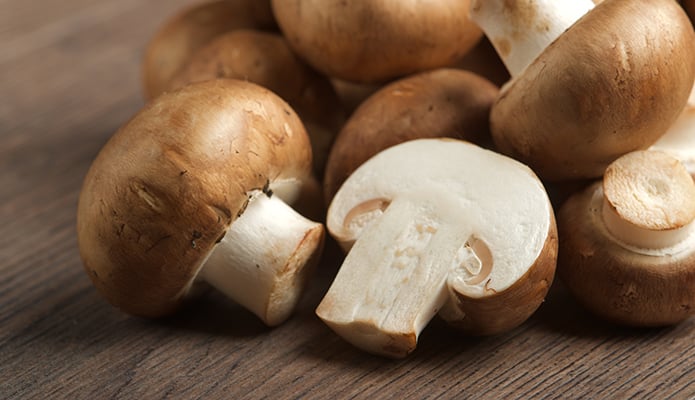
Mushrooms seem to be almost magical in promoting health benefits. From fighting respiratory infections to cancer, this asssortment of small fungi are gigantic warriors.
Strengthen the Immune System
Mushroom’s phytochemicals, such as beta-glucan, enhance the activity of several different types of immune cells including natural killer cells, which attack and destroy virus-infected and cancerous cells.
The immune-enhancing actions of mushrooms are thought to help the body to more effectively attack microbial invaders and developing tumors.1-3 According to a study on healthy volunteers who ate white button mushrooms daily, mushrooms may also help to prevent infections by enhancing salivary immunoglobulin A production; immunoglobulins are antibodies secreted by mucosal surfaces (such as the digestive system and respiratory tract) to protect against infection.4 Similar results were found for shiitake mushrooms in healthy people: after 4 weeks of eating 5-10 g dried shiitake mushrooms daily, there was an increase in salivary immunoglobulin A.5 The immune system protects us against infection and also cancer. Many clinical trials have investigated concentrated mushroom polysaccharide extracts as an adjunct treatment for improving immune function in patients with cancer.6-9
Mushrooms are unique in their breast cancer preventing effects.
One notable study found frequent consumption of mushrooms (10 g, or approximately one button mushroom per day) has been linked to a 64 percent decrease in the risk of breast cancer.10 A meta-analysis estimated that mushroom intake results in a 4-6 percent risk reduction per gram of mushrooms eaten per day.11 Another meta-analysis of 17 observational studies concluded that high mushroom intake was linked to 34% lower risk of any cancer and 35% lower risk of breast cancer compared to low mushroom intake.12 Mushrooms are thought to protect against breast cancer particularly because they inhibit an enzyme called aromatase, which produces estrogen. Several varieties of mushrooms, especially the commonly eaten white button and portobello mushrooms, have strong anti-aromatase activity.13
Consumption of mushrooms does not only protect against breast cancer. Some mushrooms contain specialized lectins (such as ABL in common white, cremini, and portobello mushrooms) that recognize cancer cells, and prevent the cells from growing and dividing.14,15 Mushroom beta-glucans interact with immune cells, promoting an anti-tumor immune response.1,2 In addition, white, cremini, portobello, oyster, maitake, and reishi mushrooms each contain bioactive compounds with the potential for anti-cancer activity. These mushroom phytochemicals have anti-angiogenic, anti-proliferative, and other anti-cancer effects, which have been studied in relation to stomach, colorectal, breast, and prostate cancers.16-25
Mushrooms protect the brain from oxidative stress
Mushrooms are the richest dietary source of the specialized antioxidant ergothioneine; all mushrooms contain some ergothioneine, but oyster mushrooms contain the most. Other significant dietary sources of ergothioneine include oat bran, black turtle beans, and red kidney beans.26-28 Many human cells have a transporter protein whose main known function is to bring ergothioneine into the cell.29
Studies on dietary factors and cognitive health in older adults, particularly in Asia, have found that greater mushroom consumption or ergothioneine levels in the blood were associated with better brain health.30-32
Ergothioneine is found in almost all human cell and tissue types and tends to accumulate in tissues exposed to high levels of oxidative stress.27,28 The brain is one of those tissues; there are high levels of oxidation products because of its high metabolic activity, and the mitochondria in particular is the site of highest oxidative stress. Mitochondrial DNA does not have the same robust protection and repair mechanisms as regular DNA, so mitochondrial DNA is more susceptible to oxidative damage. Oxidative damage to mitochondria is thought to be a major contributor to neurodegenerative diseases, such as Alzheimer’s Disease and Parkinson’s Disease.27 Ergothioneine’s protection of the mitochondria may protect the brain from oxidative damage, helping to prevent neurodegenerative diseases.
Mushrooms should only be eaten cooked. Several raw culinary mushrooms contain small amounts of a potentially carcinogenic substance called agaritine, and cooking mushrooms significantly reduces agaritine content.33-35 Mushrooms add unique flavors and textures to vegetable dishes, and are delicious paired with fresh herbs. Combining mushrooms with the onion family, green and cruciferous vegetables, and beans, creates delicious, healthful, and powerfully protective meals.
I discuss the unique health benefits of mushrooms in detail in my book Super Immunity.For the latest research on how mushrooms promote health, read my new book Eat for Life.