How Plant Protein Wins Over Animal Protein
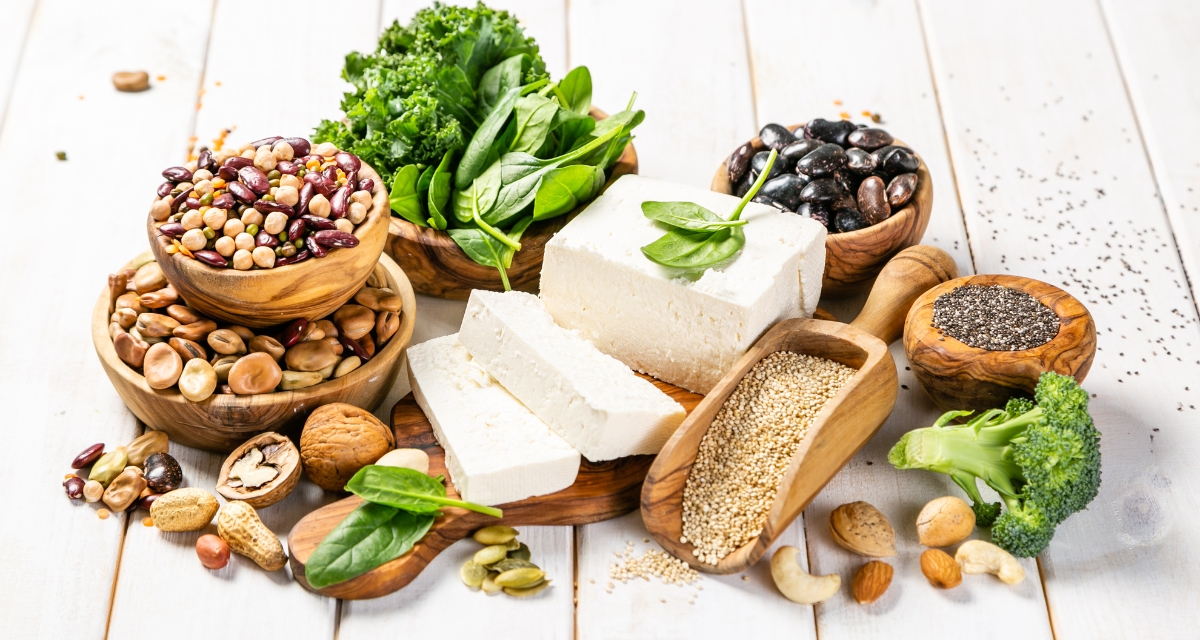
We are all taught that protein is a super nutrient that will make us lean, strong, and healthy. We do need protein, but more is not necessarily better, and high-protein foods are not always healthful.
Why do we need protein?
In every cell in the human body, the DNA contains a code that tells the cell which proteins to make. Proteins have a lot of different roles in the body, some provide structure like collagen, some facilitate contact or movement, and others act as enzymes, signals, receptors, or transporters. In order to make all of these proteins, we have to consume protein and break it down into its constituent amino acids.
High-protein diets
High-protein foods do tend to be low in glycemic load. This is what the high-protein, low-carb diets get right. They avoid dangerous high-glycemic refined carbohydrates—sugar, white rice, and white flour products. In the process, they also limit nutrient-depleted, high-omega-6 and high-saturated fat oils. It is important to remember though, just like excess carbohydrate and fat calories, if you take in more protein calories than your body can use right away, those calories get stored as fat.
Refined carbohydrates are empty calories that are absorbed quickly, and they lead to overeating. Foods that are higher in protein, fiber, and/or resistant starch provide the satiety factor that is missing in refined carbohydrates and help to prevent blood glucose spikes, so we are not driven to overeat. For some people, high protein diets can be successful for weight loss in the short-term, but because they are typically so focused on animal foods, they are dangerous in the long-term. Low-carbohydrate/high-protein diets have been linked to increased risk of heart disease, cancer and premature death.1-3
Related: Eat Plant Protein to Live Longer
Plant protein vs. animal protein
Although plant protein is often described as “incomplete,” it has been known for many years that all plant foods contain all of the amino acids. Different plant foods may be low in a certain essential amino acid, but as long you are eating a variety of high-plant protein foods, you will get adequate amounts—but not too much—of all the essential amino acids.4 A low-quality plant-based diet, with a lot of rice, pasta, and white flour products will be lower than optimal in protein, and too high in glycemic load. Even a whole-food, plant-based diet could be too low in protein if it is heavily focused on grains, potatoes, and fruit, and low in beans (including soybeans), nuts, seeds, and greens. A plant protein powder supplement (non-soy, non-rice) in addition to a healthful diet is also appropriate, especially for those with higher protein needs, such as athletes and older adults. See the table below for the protein content of some typical foods in a Nutritarian diet.5
Related: Why vegetarians and vegans could have a higher risk of bone fractures
|
Food |
Serving |
Protein (g) |
|
Kale |
1 cup (cooked) |
4.0 |
|
Broccoli |
1 cup (cooked) |
4.5 |
|
Almonds |
1 ounce |
6.0 |
|
Quinoa |
1 cup (cooked) |
7.5 |
|
Green peas |
1 cup (cooked) |
8.2 |
|
Pumpkin seeds |
1 ounce |
8.6 |
|
Hemp seeds |
1 ounce |
8.8 |
|
Black beans |
1 cup (cooked) |
15.9 |
|
Edamame |
1 cup (cooked) |
18.5 |
|
Tofu (extra firm) |
½ 14-ounce block |
20.25 |
|
Tempeh |
1 cup |
33.7 |
Older adults also require more protein than young and middle-aged adults. As we age, the body produces less growth hormone, leading to lower IGF-1 levels. Although excessively high IGF-1 levels are associated with an increase in cancer risk,6,7 excessively low IGF-1 is also a problem, because it is associated with reduced muscle mass, bone mass, and cognitive function in older adults.8-11
Related: Optimal IGF-1 Levels for Longevity
Animal protein and plant protein both provide us with adequate amounts of all of the amino acids, but animal protein is more concentrated in complete protein of a high biological value, so the body does not have to wait to utilize it to be combined with amino acids from other foods. Their proteins get absorbed and utilzed quickly, especially the amino acids that raise growth promoting hormones. For these reasons animal protein increases the body’s production of a hormone called IGF-1, which is associated with aging and an increased risk of several different cancers.12-13 One interesting study followed over 85,000 women and 44,000 men for more than 20 years, (26 years in women and 20 years in men) recording over 12,500 deaths. This research team found animal protein-rich diets were associated with a 43% increased risk of death from cardiovascular disease and cancer, compared to diets low in animal protein.14 In addition to animal protein, a diet high in animal products delivers additional harmful, pro-inflammatory, or pro-oxidant substances. Animal foods are higher in arachidonic acid, saturated fat, carnitine, heme iron, substances linked to inflammation, premature aging and other diseases.15-23
Related: Animal products, the microbiome, and heart disease
How much protein?
The U.S. Recommended Daily Allowance (RDA) for total protein is 0.8 g/kg/day (about 36 grams of protein per 100 pounds of body weight), based on early studies.24 However, more recent research using a newer method for determining protein needs suggests a minimum of 0.9 g/kg/day for healthy young adults, and serious athletes and older adults require more. See the table below for estimated protein requirements in different life stages.25-27
It is not necessary to count the number of grams of protein in the food you eat every day to make sure you reach these numbers. If you are eating adequate calories and a variety of high-protein plant foods, it is unlikely you will consume too little protein. For a typical day, a Nutritarian menu of 1700-1800 calories provides approximately 60-70 grams of protein. The point is that when you eat an anti-cancer diet to promote longevity, you strive to consume more colorful plants, reducing animal protein considerably. It is both these features that lead to the dramatic disease-protective lifespan benefits.
|
Life stage |
Estimated minimum protein requirement (g/ kg body mass/day) |
g/day per 100 lb. body weight |
|
Child |
1.3 |
59 |
|
Healthy young adult |
0.9 |
40.5 |
|
Pregnancy |
1.2-1.5 |
54-68 |
|
Athlete |
1.2-2.1 |
54-95 |
|
Older adult |
1.0-1.5 |
45-68 |