Got non-dairy milk? Part 2
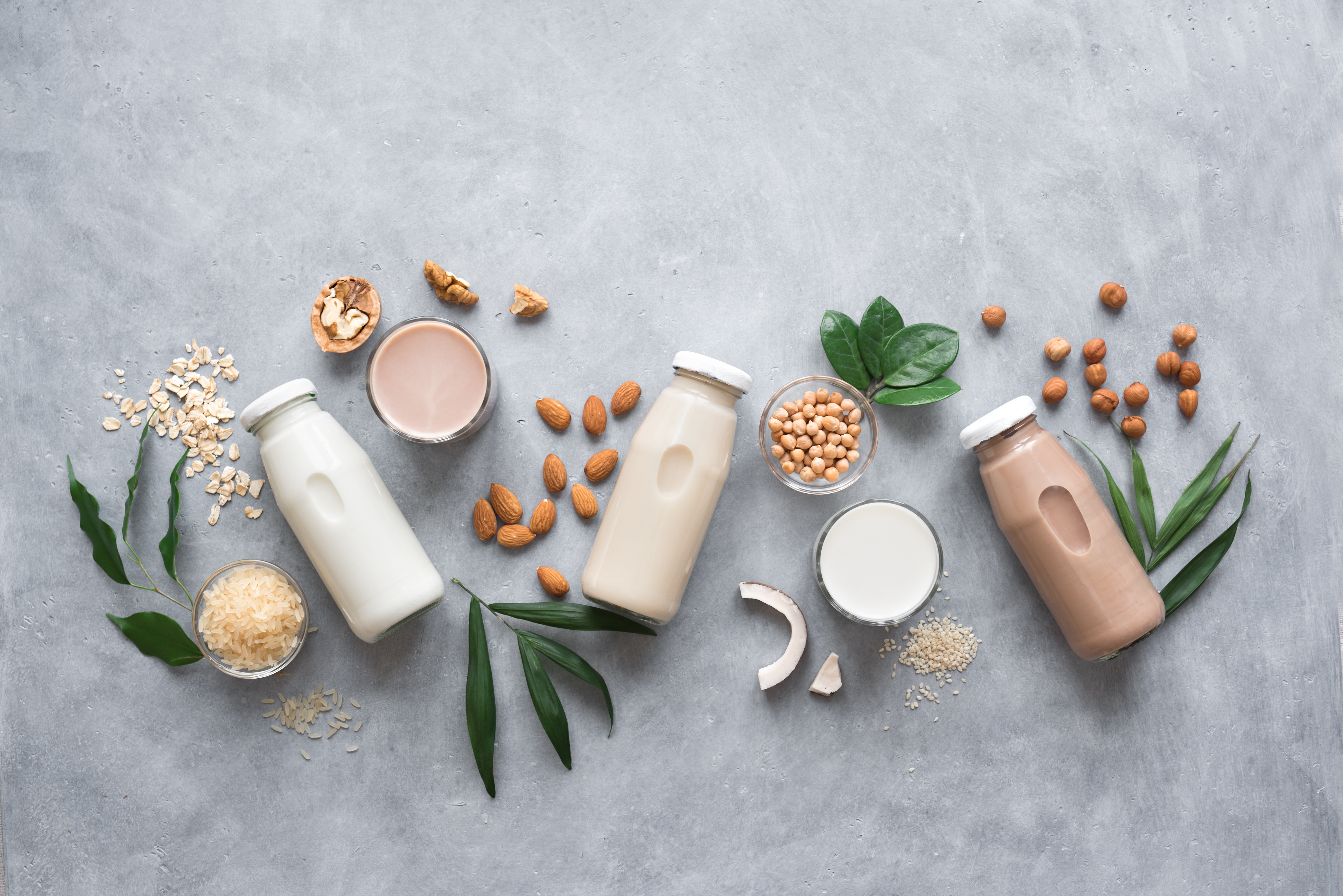
Read part 1: Got Non-Dairy Milk?
Legions of scientific studies have shown that what you put in your mouth is directly related to your cancer risk. In an article that examined 47 studies on diet and prostate cancer published since 2006, most studies on a vegetarian or vegan diet indicated a decrease in risk. When analyzing which individual animal foods might promote prostate cancer, dairy products stood out. Several studies indicated an increase in risk of prostate cancer associated with greater milk or total dairy intake.1
Source:
Effect of Plant- and Animal-Based Foods on Prostate Cancer Risk
Strong link between dairy and prostate cancer
The “Got Milk?” ads featuring a milk “moustache” don’t seem quite as amusing when we consider the mounting evidence of a link between dairy and prostate cancer. This newer review of many studies joins several previous reviews and meta-analyses of study data that have also indicated increases in prostate cancer risk associated with dairy products.2-5
For example, one meta-analysis of 32 studies on prostate cancer risk relative to dairy products and calcium intake found a 7 percent increase in risk associated with each 400 g/day increase in total dairy products; a 6 percent increase for every 200 g (less than one cup) per day of low-fat milk; and a 9 percent increase for every 50 g (about ½ cup) cheese. Dairy calcium was associated with increased risk, but non-dairy calcium was not.2
Action item: Recipes for cheesy flavor without the dairy (free for members):
Nutritarian Parmesan
Herbed "Cheese" and Greens Wraps
Sources:
Dairy products, calcium, and prostate cancer risk: a systematic review and meta-analysis of cohort studies
Milk consumption is a risk factor for prostate cancer in Western countries: evidence from cohort studies
Dairy products intake and cancer mortality risk: a meta-analysis of 11 population-based cohort studies
Why dairy products?
There are a few possibilities: first, dairy protein elevates insulin-like growth factor 1 (IGF-1) more powerfully than other animal protein sources. IGF-1 is a stimulus that promotes proliferation of tumor cells, and higher IGF-1 levels have been linked to a greater risk of prostate cancer.6,7
Action item:
Recent research has also linked dairy consumption to breast cancer. Learn more in Got Non-Dairy Milk? (Part 1).
Sources:
Circulating insulin-like growth factor peptides and prostate cancer risk: a systematic review and meta-analysis
A Meta-analysis of Individual Participant Data Reveals an Association between Circulating Levels of IGF-I and Prostate Cancer Risk
Related: Animal Protein is Linked to Increased Risk of Cancer
Dairy protein, IGF-1, and cancer
Elevated IGF-1 is associated with multiple different cancers,8-10 but prostate cancer in particular has been frequently linked to dairy consumption. Elevation of IGF-1 by dairy protein is most likely involved,4 but there may be other factors that connect dairy products to prostate cancer risk.
Sources:
Does milk intake promote prostate cancer initiation or progression via effects on insulin-like growth factors (IGFs)? A systematic review and meta-analysis
Serum levels of IGF-I, IGFBP-3 and colorectal cancer risk: results from the EPIC cohort, plus a meta-analysis of prospective studies
Insulin-like growth factor 1 (IGF1), IGF binding protein 3 (IGFBP3), and breast cancer risk: pooled individual data analysis of 17 prospective studies
Action item:
IGF-1, Dietary Protein, and Cancer: position paper (free for members)
Related: Eat Plant Protein to Live Longer
Too much calcium?
One possibility: the very high calcium content of cow’s milk may interfere with the conversion of vitamin D to its active form, thereby impairing vitamin D’s protective effects against prostate cancer.4
Related: High-dose calcium supplements may damage the cardiovascular system
In the World Cancer Research Fund’s 2007 report on diet and cancer, evidence was cited that greater dairy and calcium intake were linked to greater prostate cancer risk. On the other hand, the report also found that higher dairy intake and calcium supplement intake was linked to a reduced risk of colorectal cancers.11 Then again, high circulating IGF-1 levels are linked to a small increase in colorectal cancer risk.8 The evidence is somewhat contradictory.
Calcium is an essential nutrient, and like most nutrients, not enough and too much calcium can both be harmful. The calcium in a small amount of dairy might be protective against colorectal cancers in a diet otherwise low in calcium, but high dairy intake might provide excessive calcium, hindering the actions of vitamin D, and increasing prostate cancer risk.
Sources:
Does milk intake promote prostate cancer initiation or progression via effects on insulin-like growth factors (IGFs)? A systematic review and meta-analysis
Diet, Nutrition, Physical Activity and Cancer: a Global Perspective. The Third Expert Report
Serum levels of IGF-I, IGFBP-3 and colorectal cancer risk: results from the EPIC cohort, plus a meta-analysis of prospective studies
Get calcium from plant sources
Future research will tell us more about the relationship between dairy, calcium, and cancer risk, but from the evidence we do have, it makes sense to minimize dairy products and get adequate calcium from plant sources (greens, beans, nuts, and seeds). I recommend avoiding high-dose calcium supplements. However, a small supplemental dose of calcium (taken with meals) may be appropriate for some people, postmenopausal women in particular.