Short-term dietary intervention improves depression symptoms
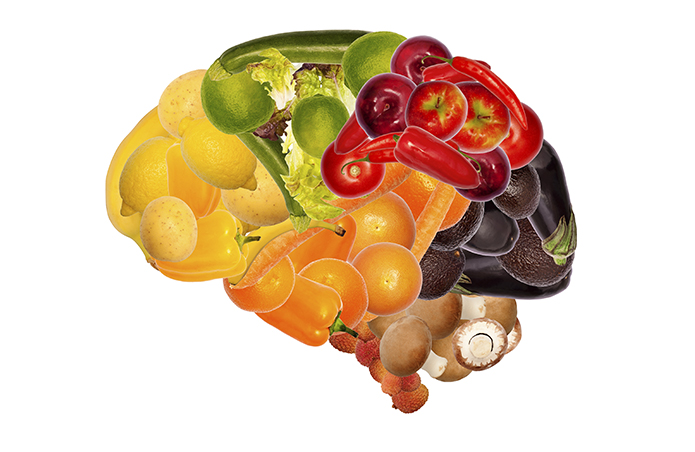
Brain-healthy nutrients
Proper brain function is dependent on good nutrition. Omega-3 fatty acids, B vitamins, and zinc are all key nutrients for brain tissue. Vitamin B12, folate, and vitamin B6 are involved in production of neurotransmitters, and zinc has antioxidant effects in the brain.1-7 The omega-3 fatty acids DHA and EPA are important for the structure of brain cell membranes.8,9 Inadequate levels of each of these nutrients have been linked to a greater risk of depression.1,10-13
Protection against oxidative stress makes plant food-derived antioxidants beneficial for the brain. Plus, many phytochemicals have anti-inflammatory and other non-antioxidant functions that may also enhance brain health.14-18
In contrast, consumption of fast food has a dose-dependent association with likelihood of depression, and greater consumption of commercial baked goods (muffins, donuts, etc.) is also linked to 38 percent increase in depression risk.19
Randomized controlled trial suggests diet improvements can reduce depression symptoms after only 3 weeks
A new study investigated whether improving the diets of young adults with symptoms of depression could improve those symptoms.20 Men and women age 17-35 were surveyed, and those with moderate to severe depression symptoms and high sugar and saturated fat intake were invited to participate.
Half of the participants were asked to follow a diet that included 5 servings of vegetables daily, plus whole grains, legumes, fruits, nuts and seeds, turmeric, and cinnamon. They were also instructed to reduce sugars, other refined carbohydrates, processed meats, and sweetened beverages. However, the intervention diet was not quite up to the standards of a Nutritarian diet, as lean meats, eggs, unsweetened dairy products, fish, and olive oil were also permitted. The other group was given no dietary instructions, just asked to continue their regular diets and return again after 3 weeks for follow-up.
Importantly, the researchers were able to validate that the diet change group increased their intake of phytochemical-rich vegetables and fruit by using skin spectrophotometry. This light-based measurement responds to skin “yellowness” from the level of carotenoids in the skin, which is determined by carotenoid-rich vegetable and fruit intake.
Improvement in depression scores correlated with improvement in skin carotenoid scores
Before and after the dietary intervention, the participants completed surveys rating their frequency and severity of depression symptoms. Participants were contacted again by phone three months later for another survey. Depression scores decreased in the diet intervention group between baseline and 3 weeks but stayed the same in the control group. The improvement in depression scores improved proportionally to increases in fruit and vegetable intake measured by skin carotenoid scores. There were also improvements in measures of stress and anxiety.
After three months, about 80 percent of the diet change group said they had maintained at least some aspects of the diet; the diet change group’s depression scores remained similar to their scores at the three-week follow up, and lower than their baseline scores.19 Three weeks of small improvements – eating more vegetables and fruits and reducing high-glycemic refined carbohydrates and processed meats – set the participants on a course to making longer-term dietary improvements and maintaining a lower level of depression symptoms. To learn more about how food affects the brain, it is important to read my book Fast Food Genocide.
A note on supplements
A Nutritarian diet rich in green vegetables, berries, beans, nuts, etc. promotes brain health, but may be low in low B12, zinc, and long-chain omega-3 fatty acids. I recommend supplementing with these nutrients. Visit the Personalized Vitamin Advisor to learn more about my supplement recommendations.