Heart Disease is Preventable and Reversible through Nutritional Intervention
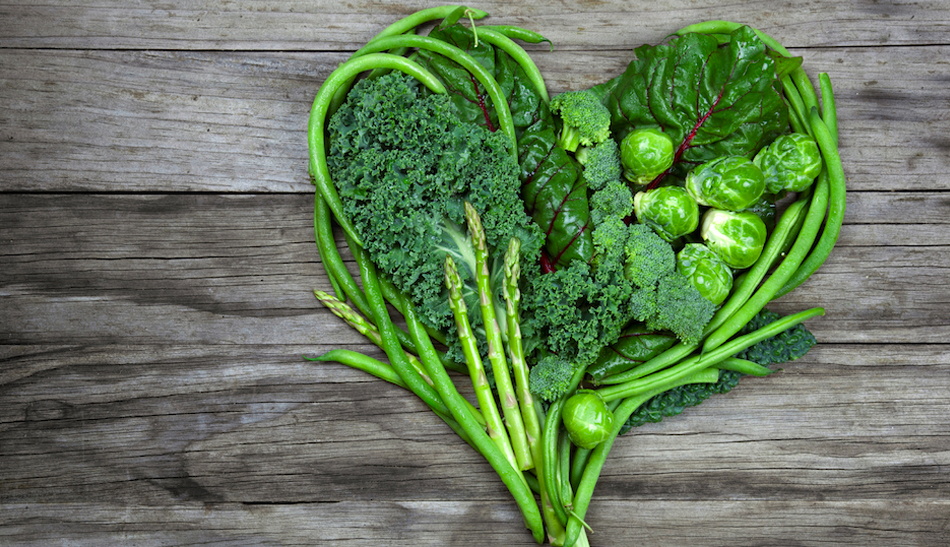
Cardiovascular disease is still a leading cause of death, and a Nutritarian diet and exercise are your key preventive health measures. Physical fitness, fiber, healthy fats, and phytochemicals reduce oxidative stress, lower cholesterol, reduce inflammation, improve vascular function, and support a healthy weight.
Cardiovascular disease (CVD) is the leading cause of death in the United States, with heart disease and stroke combined accounting for about 25-30% of total deaths in recent years.1,2
Almost half of all American adults 20 and older have some form of cardiovascular disease: coronary heart disease, heart failure, stroke, or hypertension; and 25% have elevated LDL cholesterol.3 However, the number of Americans who follow a healthy diet, based on the American Heart Association’s criteria (which are not as rigorous as Nutritarian diet recommendations), is only about 1%.4 If you eat the standard western diet that most people eat in the modern world, you will surely develop heart disease and may die from it.
Related: The DASH diet vs. The Nutritarian Diet
Most heart attacks are preventable
Heart disease is a preventable disease, primarily caused by diet and lifestyle factors. Up to 90 percent of heart attacks are due to mostly modifiable risk factors such as smoking, high blood pressure, abnormal lipid levels, low vegetable and fruit consumption, insufficient exercise, and obesity.5-7
Furthermore, research has established that heart disease is reversible: that atherosclerotic plaque can regress in response to sufficient diet and lifestyle modifications.8-12 As a physician who has treated patients with heart disease for decades, I have seen first-hand that coronary artery disease reverse and chest pain can disappear, and that medications and surgery for cardiovascular disease and its risk factors are unnecessary in most cases.
Sources:
Effect of potentially modifiable risk factors associated with myocardial infarction in 52 countries (the INTERHEART study): case-control study
Low-risk diet and lifestyle habits in the primary prevention of myocardial infarction in men: a population-based prospective cohort study
Healthy lifestyle in the primordial prevention of cardiovascular disease among young women
Intensive lifestyle changes for reversal of coronary heart disease
Updating a 12-year experience with arrest and reversal therapy for coronary heart disease
Drugs and surgery do not address the causes of cardiovascular disease
Surgical interventions are not long-term solutions to heart disease; they merely treat a small portion of a blood vessel, while cardiovascular disease continues to progress throughout the vasculature. Studies on angioplasty and stent procedures have found they do not prolong life or reduce the risk of future heart attacks compared to medications and modest lifestyle changes.13,14
Although cholesterol and blood pressure lowering drugs reduce risk of heart attack and stroke somewhat, they don’t stop heart disease from progressing. Plus, there are risks and side effects to consider. Statin drugs have been associated with increasedrisk of diabetes, impaired muscle function, cataracts, liver dysfunction and kidney injury. Diuretics are linked to an increased risk of diabetes, beta blockers to an increased risk of stroke, and calcium channel blockers and angiotensin receptor blockers to an increased risk of cancer.15-21
Related: Lower cholesterol healthfully without risky statin drugs
The risks associated with these treatments are unacceptable when there is a safe, effective alternative – excellent nutrition and exercise – that can actually reverse heart disease.
Sources:
Percutaneous coronary interventions for non-acute coronary artery disease: a quantitative 20-year synopsis and a network meta-analysis
Unintended effects of statins in men and women in England and Wales: population based cohort study using the QResearch database
Cardiovascular protection using beta-blockers: a critical review of the evidence
Association between cardiovascular outcomes and antihypertensive drug treatment in older women
Angiotensin-receptor blockade and risk of cancer: meta-analysis of randomised controlled trials
How the right foods protect the heart and blood vessels
We have the scientific knowledge to limit or avoid foods that damage the cardiovascular system – refined carbohydrates, oils, added sodium, and animal products – and choose the foods that promote the health of the heart and blood vessels – green vegetables, a variety of other vegetables, berries, beans and lentils, and whole food sources of fat (nuts, seeds and avocado). As an example, in the Adventist Health Study 2, high meat protein intake was associated with a 60 percent greater risk of death from heart disease and stroke compared to low intake. High intake of protein from nuts and seeds was associated with a 40 percent lower risk.22
- Cruciferous vegetables, like kale, cabbage, and broccoli (and broccoli sprouts), are rich in the carotenoid lutein and form distinctive phytochemicals (isothiocyanates) that activate the body’s natural detoxification and antioxidant system, helping to protect against vascular inflammation.23-26
- A high-fiber diet is associated with a reduced risk of cardiovascular disease, as is a higher intake of beans, lentils, and other legumes.27-30 Beans have viscous fibers that help reduce cholesterol and help you feel satiated, and beans have low- to moderate-glycemic load.31-33
- Tomatoes are rich in lycopene, which helps LDL to be more resistant to oxidation. Studies have found that people with higher blood levels of lycopene are less likely to have a heart attack or stroke. Randomized controlled trials of tomato or lycopene supplementation have shown improvements in LDL cholesterol, blood pressure, and vascular function.34-36
- Garlic and onions have anticoagulant and antioxidant effects, and garlic phytochemicals also inhibit the production of cholesterol.37-40 Randomized controlled trials on garlic/garlic extract supplementation: reduced C-reactive protein,41 reduced systolic blood pressure in people with hypertension,42,43 reduced total cholesterol and triglycerides.44 Garlic may also have beneficial effects on the gut microbiome that lead to cardiovascular benefits, such as a reduction in TMAO production.45,46
- Higher mushroom intake has been linked to a lower risk of death from all causes.47 Mushrooms are the major source of the protective antioxidant ergothioneine, which preferentially accumulates in tissues highly exposed to oxidative stress.48,49 In one study, participants replaced the red meat in their diets with mushrooms; after one year, the inflammatory marker C-reactive protein had decreased, as well as body fat, blood pressure, and cholesterol levels.50
- Berry consumption is associated with a lower risk of hypertension. Berry phytochemicals called anthocyanins help maintain the body’s mechanisms of blood pressure regulation, which can be damaged by oxidative stress.51-53 Randomized controlled trials have shown consuming berries reduced blood pressure, LDL cholesterol, fasting blood glucose, HbA1c (an indicator of long-term blood glucose levels), and inflammatory marker TNF-alpha.54
- One notable study showed that patients with heart disease who supplemented with pomegranate juice for three years had a regression of atherosclerotic plaque, whereas the control group experienced an increase in plaque thickness. The pomegranate group also had reduced LDL susceptibility to oxidation and improvement in total antioxidant status.55 Meta-analyses of randomized controlled trials found pomegranate juice consumption reduced blood pressure and inflammatory markers.56,57
- Nuts and seeds reduce cholesterol, promote a healthy weight, and are linked to longevity.58-60 In a pooled analysis of many studies, each serving of nuts per day was associated with a 25% reduction in the risk of coronary heart disease, and in another, each serving of nuts per week was linked to a 10% lower risk.61-63 Ground flaxseed in particular helps to reduce blood pressure.64 High-omega-3-ALA nuts and seeds, such as walnuts, also have additional anti-arrhythmic actions.65
Related: G-BOMBS: The anti-cancer foods that should be in your diet right now
Sources:
The effects of lutein on cardiometabolic health across the life course: a systematic review and meta-analysis
Associations between Dietary Pulses Alone or with Other Legumes and Cardiometabolic Disease Outcomes: An Umbrella Review and Updated Systematic Review and Meta-analysis of Prospective Cohort Studies
Lycopene and tomato and risk of cardiovascular diseases: A systematic review and meta-analysis of epidemiological evidence
Garlic Lowers Blood Pressure in Hypertensive Individuals, Regulates Serum Cholesterol, and Stimulates Immunity: An Updated Meta-analysis and Review
Ergothioneine is associated with reduced mortality and decreased risk of cardiovascular disease
Anthocyanins, Anthocyanin-Rich Berries, and Cardiovascular Risks: Systematic Review and Meta-Analysis of 44 Randomized Controlled Trials and 15 Prospective Cohort Studies
Nut consumption and incidence of cardiovascular diseases and cardiovascular disease mortality: a meta-analysis of prospective cohort studies
Exercise is powerfully protective
Regular exercise lowers blood pressure and reduces the risk of heart disease and stroke.66,67 The heart muscle’s adaptations to exercise contribute to protection from future heart disease.68 In the blood vessels, exercise reduces oxidative stress, improves blood flow overall, and decreases arterial stiffness.69,70
Related: Exercise is essential for heart health, slowing aging, and cognitive function
Sources:
Physical activity and risk of cardiovascular disease--a meta-analysis of prospective cohort studies
A Review of Exercise as Medicine in Cardiovascular Disease: Pathology and Mechanism
The Nutritarian diet works
In 2015, I published a scientific article in the American Journal of Lifestyle Medicine that demonstrated with survey data and case histories the dramatic weight loss and cardiovascular benefits possible with a Nutritarian diet. The participants were surveyed and provided medical records; those who started out obese lost an average of over 50 pounds in two years. After one year, in those who started out with hypertension, there was a 26 mm Hg average reduction in systolic blood pressure. In respondents who were not taking cholesterol-lowering medication, there was an average 42 mg/dl decrease in LDL cholesterol an average decrease in triglycerides of 79.5 mg/dl. This study also included case reports demonstrating dramatic reversal of heart disease and long-term maintenance of the learned dietary habits and better health.71
There are safe, natural options for preventing and reversing heart disease
Everyone deserves to know that heart disease can be avoided; and those who already have heart disease deserve to know that they can reverse their disease. Conventional medical care does NOT protect against heart disease-related death. Only a Nutritarian diet can offer dramatic lifespan-enhancing benefits against both cardiovascular disease and cancer. In my book The End of Heart Disease, I detail the steps to take to transition to a health-promoting Nutritarian diet, which will help you achieve a healthy weight reduce your risk of heart disease. More than that, this high-nutrient diet won’t just lower blood pressure and cholesterol, it floods the cells and tissues with the protective phytochemicals that facilitate the body’s self-healing mechanisms and help restore health. By making this change to prevent heart disease, you will automatically reduce your risk of diabetes, cancer, dementia, and osteoporosis and maintain your youthful energy and quality of life into old age.