Plant-derived supplements for cardiovascular protection and whole-body health
A health-promoting diet rich in fiber, vitamins, minerals, phytochemicals, and healthy fats – combined with regular exercise – is the cornerstone of cardiovascular health. Foods such as green and leafy vegetables, soybeans and other beans, berries, nuts, garlic, and onions provide a powerful foundation by naturally reducing cholesterol production and/or absorption, improving vascular function and blood pressure, enhancing antioxidant defenses, and reducing inflammation.
However, carefully selected botanical supplements supplying cardioprotective phytochemicals can serve as a strategic accessory, amplifying the cardiovascular benefits of a Nutritarian diet.
Importantly, the same biological pathways that drive heart disease also underlie many other age-related chronic conditions, meaning that the phytochemicals that support cardiovascular health often confer broader benefits for brain and immune function, while helping protect against cancer, diabetes, and dementia.
Plant sterols
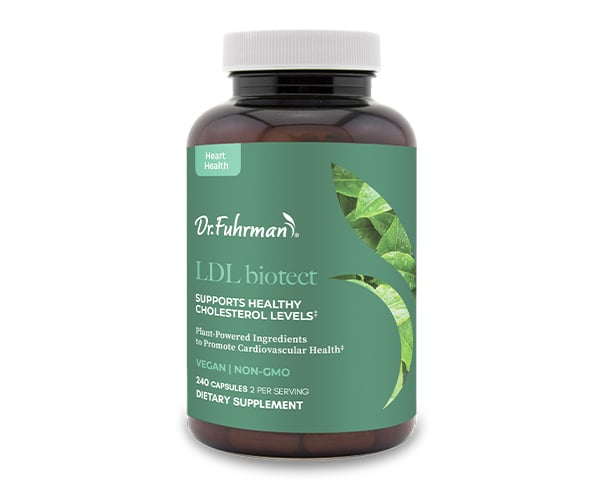
Plant sterols inhibit intestinal cholesterol absorption, leading to reductions in circulating total and LDL cholesterol, and ApoB.
Recommended daily dose for cardiovascular protection: 500 mg–2 g.
Plant sterols, found in the cell membranes of plants, are one of the many components of a healthful diet based on whole plant foods that keeps cholesterol levels in the favorable range. Plant sterols (also known as phytosterols):
- Are naturally present in plant foods
- Are structurally similar to cholesterol
- Have similar functions in plant cell membranes to those of cholesterol in animal cell membranes
- Naturally occur in whole plant foods, especially soybeans, peas, and nuts.1
When we consume plant sterols, they interfere with the absorption (and re-absorption) of cholesterol in the small intestine, which facilitates cholesterol excretion and reduces circulating cholesterol levels. Some evidence also suggests plant sterol supplementation could reduce very low-density lipoprotein (VLDL) production by the liver.2
Plant sterol supplements dose-dependently reduce LDL cholesterol by up to 12% for doses up to 2 grams daily.3 According to a 2024 meta-analysis of 26 randomized controlled trials, plant sterol supplements also reduce apolipoprotein B (ApoB), in addition to total and LDL cholesterol.4
The European Society of Cardiology has recommended plant sterol supplements alongside a healthful diet to decrease cholesterol levels, and the United States FDA has stated that plant sterols help to reduce total and LDL cholesterol.5,6 For people on cholesterol-lowering drugs, plant sterols can be taken alongside statins, leading to additional cholesterol reduction compared to statins alone.7
Sources:
The Bioavailability and Biological Activities of Phytosterols as Modulators of Cholesterol Metabolism
Effects of phytosterol supplementation on lipid profiles and apolipoproteins: A meta-analysis of randomized controlled trials
Effects of plant stanol or sterol-enriched diets on lipid profiles in patients treated with statins: systematic review and meta-analysis
Plant sterols’ benefits extend beyond the cardiovascular system
Observational studies have shown that higher plant sterol intake is associated with a lower risk of cancers including lung, colorectal, breast, esophageal, and gastric cancers. 8 How plant sterol intake could affect cancer risk is still being investigated. But studies in cultured cells and animals suggest that plant sterols inhibit tumor cell proliferation and tumor growth, promote cell death in abnormal cells, reduce angiogenesis and tumor cell migration, and suppress the activity of oncogenes.9,10 From this research, dietary intakes of 200-500 mg/day plant sterols were estimated to be protective against cancer.8,9
Additionally, plant sterols are reported to play a protective therapeutic role in benign prostatic hypertrophy (BPH or enlarged prostate), a common medical condition in older men.11 Symptoms of BPH have been improved by supplementation of small doses (up to 130 mg) of plant sterols compared to placebo.12-14
Sources:
The Protective Effect of Dietary Phytosterols on Cancer Risk: A Systematic Meta-Analysis
Molecular Mechanism of β-Sitosterol and its Derivatives in Tumor Progression
The use of beta-sitosterol for the treatment of prostate cancer and benign prostatic hyperplasia
Amla fruit
Amla has cardioprotective effects through polyphenol-mediated reductions in oxidative stress and inflammation, improved endothelial function, and reduced cholesterol and blood glucose.
Recommended daily dose for cardiovascular protection: 500-1000 mg amla powder or extract
Amla fruit is also known as Indian gooseberry (Latin name Phyllanthus emblica or Emblica officinalis) but is not botanically related to the European gooseberry. Amla is a small, round, yellow-green fruit that grows on a tree native to South Asia and grown in several tropical areas. Amla fruit can be found in India, Nepal, Sri Lanka, Malaysia, China, and Thailand. The fruit is typically harvested in autumn and has a fibrous texture and sour flavor. It is usually not eaten raw.
Instead, it is pickled, made into chutneys and other condiments, or cooked into entrees or desserts. Amla is also used as an herbal remedy in traditional Ayurvedic formulas.
In addition to fiber and vitamin C, amla is a source of phytochemicals including :
- Ellagic acid
- Pectin
- Tannins, such as emblicanins
- Flavonoids including quercetin, apigenin, luteolin, myricetin, kampferol, naringenin, and rutin
Lab studies have linked these phytochemicals in amla to antibacterial, glucose-lowering, cholesterol-lowering, antioxidant, and anti-cancer effects.15,16
Many randomized controlled trials have evaluated amla’s effects on blood lipids, finding reductions in total, LDL and VLDL cholesterol, and triglycerides. On average, in these studies, amla supplementation resulted in a 15 mg/dl reduction in seven studies measuring LDL, 5.4 mg /dl in three studies measuring VLDL, and 22 mg/dl in six studies measuring triglycerides.15
Sources:
Clinical effects of Emblica officinalis fruit consumption on cardiovascular disease risk factors: a systematic review and meta-analysis
Functional and Nutraceutical Significance of Amla (Phyllanthus emblica L.): A Review
Amla’s benefits are not limited to circulating lipid levels
In clinical studies, supplementation with amla fruit powder or extract improved antioxidant status, blood vessel function, and inflammatory markers. After 8 and 12 weeks of supplementation in 59 participants with metabolic syndrome taking 250 or 500 mg amla extract twice daily, the ability of the vessels to dilate, a measure of endothelial function, improved compared to placebo. Improvements in several oxidative stress biomarkers, such as nitric oxide, glutathione, and malondialdehyde, as well as the inflammatory marker C-reactive protein were also observed.17
Amla may also have beneficial effects on glycemic control. Although there were only two randomized controlled trials, a meta-analysis pooling their data found that amla supplementation ranging from 500 to 3000 mg/day reduced fasting blood glucose (on average by about 12.7 mg/dl).18
Sources:
Evaluation of the effects of a standardized aqueous extract of Phyllanthus emblica fruits on endothelial dysfunction, oxidative stress, systemic inflammation and lipid profile in subjects with metabolic syndrome: a randomised, double blind, placebo controlled clinical study
The impact of Emblica Officinalis (Amla) on lipid profile, glucose, and C-reactive protein: A systematic review and meta-analysis of randomized controlled trials
Pomegranate and chokeberry (aronia)
Pomegranate polyphenols, such as ellagic acid, support cardiovascular health by reducing inflammation and oxidation of LDL cholesterol.
Different studies have used a variety of doses and forms of these fruits, such as powders, juice, and extracts. Recommended daily dose for cardiovascular protection: approximately 200-500 mg pomegranate extract), 200-500 mg chokeberry powder or extract.
Pomegranate is rich in ellagic acid, punicalagins, and flavonoids with antioxidant and anti-inflammatory properties.19 In randomized controlled trials, pomegranate supplementation showed reduced:
- Blood pressure
- Cholesterol
- Fasting blood glucose
- Inflammation
- Oxidative stress markers20-22
In a three-year study on patients with heart disease, daily supplementation with pomegranate juice resulted in regression of atherosclerotic plaque, whereas the control group experienced an increase in plaque thickness. The pomegranate group also showed a reduction in oxidized LDL and an improvement in total antioxidant status.23
Sources:
Impacts of supplementation with pomegranate on cardiometabolic risk factors: A systematic review and dose-response meta-analysis
The effects of pomegranate consumption on inflammatory and oxidative stress biomarkers in adults: a systematic review and meta-analysis
Pomegranate juice consumption for 3 years by patients with carotid artery stenosis reduces common carotid intima-media thickness, blood pressure and LDL oxidation
Pomegranate’s anti-cancer effects
The polyphenols in pomegranate modulate signaling pathways involved in cell proliferation, programmed cell death, inflammation, angiogenesis, adhesion, and metastasis, and regulation of gene expression.24 A few trials in patients with prostate cancer have shown an increase in PSA doubling time – slowing the rise in PSA levels.25 Pomegranate phytochemicals also have anti-estrogen effects – inhibition of the aromatase enzyme – that could help prevent breast cancer.26
Chokeberry (Aronia melanocarpa) is another antioxidant-rich fruit not typically found in our diets that promotes cardiovascular health. A meta-analysis of seven studies on chokeberry supplementation found reductions in systolic blood pressure and total cholesterol.27
Sources:
The Role of Pomegranate (Punica granatum) in Cancer Prevention and Treatment: Modulating Signaling Pathways From Inflammation to Metastasis
Daily supplementation with aronia melanocarpa (chokeberry) reduces blood pressure and cholesterol: a meta analysis of controlled clinical trials
Green tea
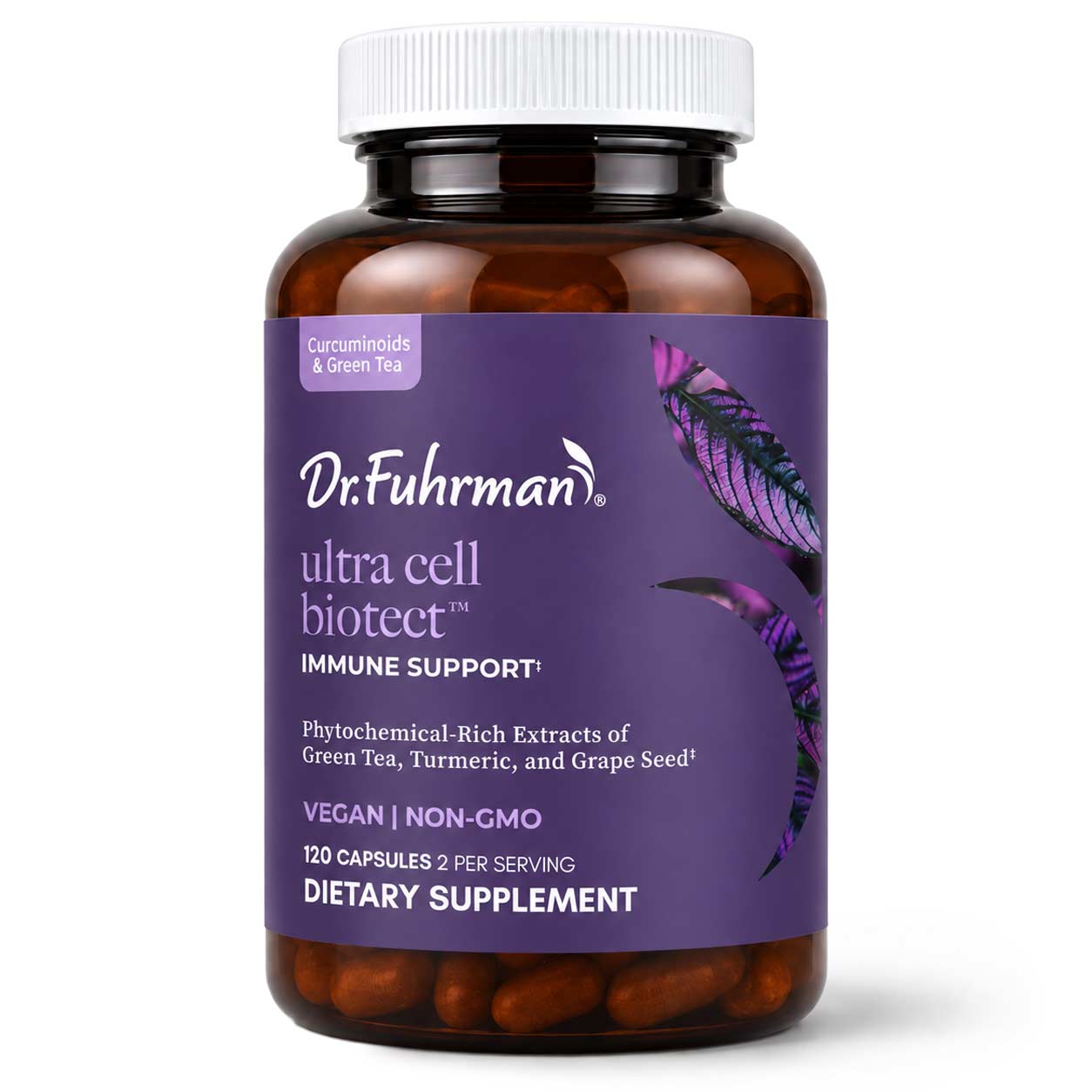
Green tea catechins, especially epigallocatechin gallate (EGCG), reduce oxidative stress, and drinking green tea is linked to lower cardiovascular disease and cancer risk across many studies.
Recommended daily dose for cardiovascular protection: 200-300 mg total green tea extract (limit to no more than 300 mg EGCG)
Green tea is rich in flavonoid antioxidants known as catechins, and drinking green tea regularly is associated with better cardiovascular health and a lower risk of several cancers.28-32 Green tea supplementation studies have found improvements in cholesterol and blood glucose levels, as well as oxidative stress markers.33-35
The anti-cancer effects of green tea extracts include:
- Promoting immune function
- Inhibiting inflammation and angiogenesis
- Reducing tumor cell growth and proliferation.36
Clinical trials in patients with prostate cancer have shown reduced PSA and other cancer-related biomarkers.37,38 Supplementation with green tea extract or EGCG also reduced cancer-related biomarkers or tumor cell proliferation in clinical trials in women with breast cancer.39,40
Sources:
Impact of Green Tea Consumption on the Prevalence of Cardiovascular Outcomes: A Systematic Review
Effects of green tea supplementation on antioxidant status and inflammatory markers in adults: a grade-assessed systematic review and dose-response meta-analysis of randomised controlled trials
A comprehensive overview on the effects of green tea on anthropometric measures, blood pressure, glycemic and lipidemic status: An umbrella review and meta meta-analysis study
Possible Mechanisms of Green Tea and Its Constituents against Cancer
Randomized clinical trial of brewed green and black tea in men with prostate cancer prior to prostatectomy
A Presurgical Study of Lecithin Formulation of Green Tea Extract in Women with Early Breast Cancer
Turmeric
Curcumin, the major bioactive compound in turmeric, targets inflammatory signaling pathways, leading to lower levels of inflammation and oxidative damage, while reducing cholesterol levels.
Recommended daily dose for cardiovascular protection: 100-400 mg/day; be cautious of high doses (1000 mg or more per day) when combined with absorption enhancers, because of reports of liver injury.
Turmeric phytochemicals, including curcuminoids and others, such as turmerones, have shown a variety of anti-cancer effects, especially through reducing inflammation, but also by affecting tumor cell survival, proliferation, and adhesion.41,42 Turmeric’s anti-inflammatory effects have been confirmed in randomized controlled trials,43 and turmeric or curcumin supplements also reduced total and LDL cholesterol.44 A few clinical trials have been conducted in patients with cancers, and have found improvements in cancer-related biomarkers, or have suggested that curcumin could be a helpful adjunct to other cancer treatments.45
Sources:
Curcumin-free turmeric exhibits anti-inflammatory and anticancer activities: Identification of novel components of turmeric
Antioxidant and anti-inflammatory effects of curcumin/turmeric supplementation in adults: A GRADE-assessed systematic review and dose–response meta-analysis of randomized controlled trials
Effects of curcumin/turmeric supplementation on lipid profile: A GRADE-assessed systematic review and dose–response meta-analysis of randomized controlled trials
Curcumin (Curcuma, Turmeric) and Cancer (PDQ(R)): Health Professional Version
Grape seed
Grape seeds are rich in antioxidant proanthocyanidins, with blood pressure-lowering properties.
Recommended daily dose for cardiovascular protection: 150-300 mg/day.
Grapes are common in typical diets, but the seeds, which are highest in antioxidants, in particular proanthocyanidins, are rarely eaten.46,47 Several studies have found reductions in blood pressure, cholesterol, or oxidative stress markers in response to grape seed extract supplementation.48-50 Studies also suggest grape seed proanthocyanidins have anti-cancer effects.51,52
Sources:
Biological activities of polyphenols from grapes
The effect of grape seed extract supplementation on oxidative stress and inflammation: A systematic review and meta-analysis of controlled trials
The impact of grape seed extract treatment on blood pressure changes: A meta-analysis of 16 randomized controlled trials
The effects of grape seed extract on glycemic control, serum lipoproteins, inflammation, and body weight: A systematic review and meta-analysis of randomized controlled trials
A Pilot Study of a Grape Seed Procyanidin Extract for Lung Cancer Chemoprevention
Coenzyme Q10
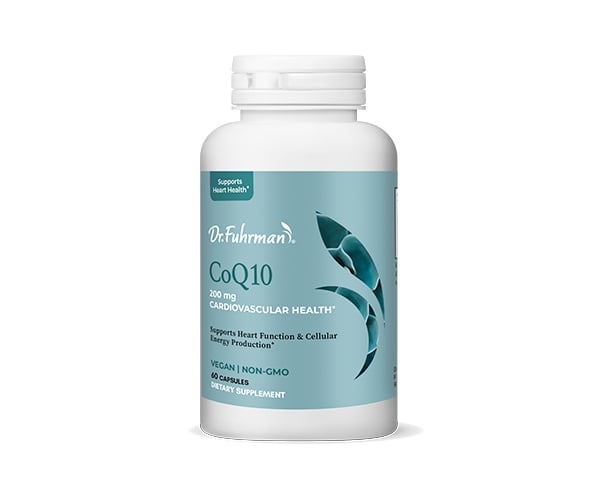
Coenzyme Q10 is a natural antioxidant that’s also crucial for producing cellular energy in heart muscle cells. Levels decline with age.
Recommended daily dose for cardiovascular protection: 100-200 mg/day.
CoQ10 is an antioxidant produced naturally in the mitochondria of our cells, where it scavenges free radicals and helps generate energy in the form of ATP. The antioxidant actions of CoQ10 protect cells in the heart and blood vessels from oxidative damage and maintain healthy blood pressure levels. CoQ10 also promotes the production of other natural antioxidants in the body. CoQ10 is present in high concentrations in heart muscle, and CoQ10levels decline with age.53-55 Randomized controlled trials have found that CoQ10 supplementation:
- Reduced oxidative stress markers
- Improved endothelial function
- Reduced blood pressure and blood glucose.55-58
CoQ10 supplementation may be especially helpful for people who take cholesterol-lowering statin drugs, which may decrease the production of CoQ10.53,54 Studies have found CoQ10 supplementation increases CoQ10 levels in people taking statins, and improved statin-associated muscle symptoms.59-62
Sources:
Effect of Coenzyme Q10 Supplementation on Vascular Endothelial Function: A Systematic Review and Meta-Analysis of Randomized Controlled Trials
Effects of coenzyme Q10 administration on blood pressure and heart rate in adults: A systematic review and meta-analysis of randomized controlled trials
Exogenous CoQ10 supplementation prevents plasma ubiquinone reduction induced by HMG-CoA reductase inhibitors
Effects of coenzyme Q10 supplementation on myopathy in statin-treated patients: a systematic review and meta-analysis