Iron recommendations for pregnant women
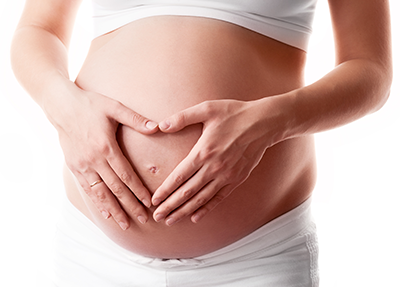
During pregnancy a woman’s iron needs increase, and it is estimated that 18 percent of pregnant women are iron deficient. But how much iron to supplement is not a matter of “one for all.” Each woman needs to be evaluated to determine her own iron needs.
Why is iron so important during pregnancy?
- Adequate iron stores are essential for early infant brain development, are needed to support the large increase in blood volume that occurs during pregnancy,
- Iron adequacy may also be important for mother-child bonding during infancy.3-8
- Iron deficiency in the mother can lead to iron deficiency in her breast-fed infant, which may impair health and future intelligence.9
On the other hand, over-supplementation of iron can also be problematic for the mother and the developing baby. Supplementation in non-deficient pregnant women increases their likelihood of iron overload and oxidative stress. This means too much iron can increase inflammation and disease potential. Specifically, high blood levels of iron are associated with elevated blood pressure in pregnant women, and both too low or too high iron stores are associated with delivering a low birthweight baby.11-15
In recent years, researchers have begun to support the idea of individualized iron supplementation recommendations, rather than blanket guidelines for all pregnant women. Research scientists studying this issue have concluded that recommending a fixed dose of iron to avert deficiencies in all women does not result in optimal outcomes and more iron is not necessarily better. It is safest to use the minimum effective dose. The evidence is substantial that those women who have plenty of iron stores (documented by blood tests) to support a healthy pregnancy should not take any supplemental iron.13,16,17
To be consistent with the current science, and to make the best decision to maximize the health of both mother and child, my iron recommendations for pregnant women (below) are more intricate than standard recommendations; and tailored to individual needs. Not every pregnant woman needs the exact same amount of iron. The goal of iron supplementation should be to achieve the “sweet spot” of adequacy for the baby’s development without excess, based on monitoring the mother’s iron status during pregnancy. It is wise to learn your iron status starting early in pregnancy and use this information to decide the appropriate level of supplementation to complement a health-promoting diet:
Ferritin <20 ng/mL
Gentle Prenatal: 2 capsules daily (9 mg iron per capsule)
Gentle Iron, 1 capsule, three times daily with meals (27 mg iron per capsule)
Ferritin 21-30 ng/mL
Gentle Prenatal: 2 capsules daily
Gentle Iron, 1 capsule, twice daily with meals
Ferritin 31-40 ng/mL
Gentle Prenatal: 1 capsule, twice daily
Gentle Iron, 1 capsule daily
Ferritin 41-70 ng/ml
Gentle Prenatal: 1 capsule, twice daily
Ferritin 71-80 ng/ml
Gentle Prenatal: 1 capsule daily
Women’s Daily Formula +D3: 1 capsule daily
Ferritin >80 ng/ml
Women’s Daily Formula +D3: 2 capsules daily
Note that in some cases, especially autoimmune diseases, ferritin may become elevated due to inflammation even if iron stores are normal or low. If your ferritin is >80, your physician can see if it is consistent with a robust hemoglobin. So if your hemoglobin is below 12, the extra iron during pregnancy may still be advised even with the higher ferritin. These guidelines are intended to be an aid for you and your physician, but It is best to discuss your iron status with your physician before discontinuing or reducing supplementation.