Stroke Prevention: Hold the Frank, Have the Beans
Stroke is a leading cause of disability and death in the United States. About 795,000 people in our country have a stroke each year.1 The good news is you can take simple dietary steps to help prevent having a stroke.
A stroke occurs when blood flow to a portion of the brain is interrupted, preventing oxygen and nutrients from reaching brain tissue. About 87 percent are ischemic strokes, in which blood flow to the brain is blocked either by a clot or atherosclerotic plaque. The remaining 13 percent of strokes are hemorrhagic strokes, caused by bleeding in the brain due to the rupture of a blood vessel.1
Risk factors
Elevated blood pressure is the chief risk factor for both types of stroke; however, other causal factors differ between the two.1,2 There have been countless studies on dietary factors and their relationship to ischemic stroke risk. Within the past few years, new meta-analyses have strengthened these dietary links. In particular, higher fiber intake is associated with reduced risk, while higher red and processed meat intake is associated with increased risk.
Red and processed meats are calorie-dense, micronutrient-poor, saturated fat-rich foods. Another major concern regarding red and processed meats as it relates to heart disease and stroke is heme iron. The human body absorbs heme iron, the form of iron found in animal foods, more readily than nonheme iron from plant foods.
Iron is an essential mineral that transports oxygen in the blood and has many other crucial functions, but it can also promote free radical damage, called oxidative stress when excess is present. As a result, high body iron stores are associated with increased risk of chronic diseases that have an oxidative stress component: for example, diabetes, heart disease, and dementia.3-7
When it comes to increasing stroke risk, heme iron promotes oxidation of LDL cholesterol and elevates blood pressure. Several previous studies have found that higher heme iron (or red and processed meat) intake was associated with higher blood pressure, and higher nonheme iron intake (or plant food intake) was associated with lower blood pressure.8-12 However, it is not merely the high iron in meats that promote atherosclerosis; many other factors play a role, including their growth promoting effects.
Another recent meta-analysis reported on five studies of red and processed meat and stroke risk, and found substantial risk increases in ischemic stroke risk: for each 100 gram increment of red meat eaten daily there was a 13 percent increase in risk, and for every 50 grams daily intake of processed meat there was a 11 percent increase in risk. Processed meats are nutrient-poor and high in heme iron like red meat, but have additional sodium, which is likely why the authors found a steeper association of processed meats with stroke.13
Prevention
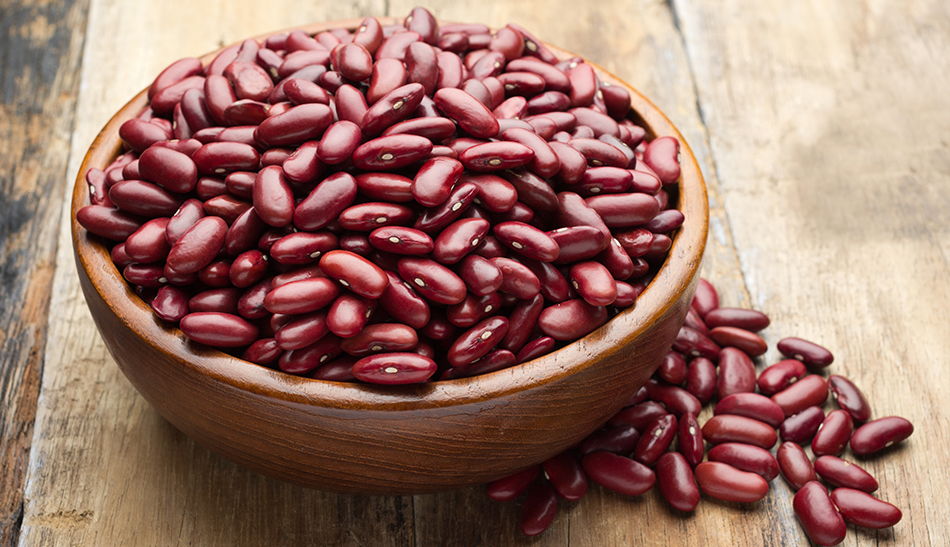
Greater intake of high-fiber foods, such as beans, is consistently linked to lower blood pressure.14 Foods that are higher in fiber tend to have a lower glycemic load, which limits the rise in insulin after a meal; elevated insulin levels contribute to elevated blood pressure.
Also, high-fiber foods are usually rich in phytochemicals and minerals like potassium and magnesium, which help to keep blood pressure in a healthy range. 15-21 In addition to reducing blood pressure, high fiber foods improve several factors relevant to atherosclerotic plaque formation, such as cholesterol and triglyceride levels.22-24
A recently published meta-analysis on fiber intake and risk of stroke analyzed data from six prospective studies, including over 300,000 subjects.25 In this analysis, for every 10 gram increase in daily fiber intake, there was a 12 percent reduction in risk. A previous analysis of data from ten studies found that each 10 gram/day increase in fiber intake was associated with a 24 percent decrease in risk of death from heart disease.26
Ten grams is the approximate amount of fiber contained in 2/3 cup of beans or lentils, 2 cups of cooked collard greens, or 2 1/2 cups of blueberries. The average daily intake of fiber in the U.S. is a meager 16 grams,27 whereas a Nutritarian diet, depending on one’s caloric needs, provides about 60-80 grams of fiber daily.
I want to make it clear that it is the use of high fiber from whole foods that enable this degree of protection against stroke, not adding fiber to a standard American diet. It is more than just the fiber in fiber-rich foods that offers this protection.
The studies mentioned here add to the already huge body of evidence showing that whole plant foods are health-promoting, while red and processed meats are disease-causing. Between the excessive amounts of protein and heme iron, new findings on detrimental effects of red meat compounds Neu5GC28 and carnitine,29 and the volume of evidence linking red and processed meats to cancer and premature death,30-37 there is no question — these are dangerous foods. People who still desire to eat meat, should eliminate processed meats entirely and think of using red meat in their meal in small amounts as a condiment, only to be used once a week.