Beginner's Guide to the Nutritarian Diet

One of the most powerful steps you can take to improve your health, boost energy levels, and prevent chronic diseases is to move to a plant-based, nutrient-dense Nutritarian diet. If you’ve read the New York Times bestseller, Eat to Live or Eat for Life, you know that the scientific evidence is clear: This eating style is a powerful way to lose weight, reverse chronic disease, live better, strengthen your immune defenses and slow the aging process.
Getting started is easy (and delicious!)
1. Read Eat for Life
If you haven't done so already, read my latest book Eat for Life. I will guide you through the science and show you the incredible power of nutritional excellence to prevent and reverse disease. The knowledge in this book will change your life forever and set you on the path to great health. On this website, you’ll find further tools, insight, and expertise to make the change easy and enjoyable. We’ve created products and strategies to help you, no matter what level of support you need. We’ll answer your questions, provide helpful advice, and empower you with proven strategies to embrace this healthy lifestyle.
On the website, you’ll find plenty of information, including our Success Stories and Health Concerns section which provides action plans and insights for a variety of health concerns. For a deeper dive, explore our membership options.
2. Keep learning and get support with membership
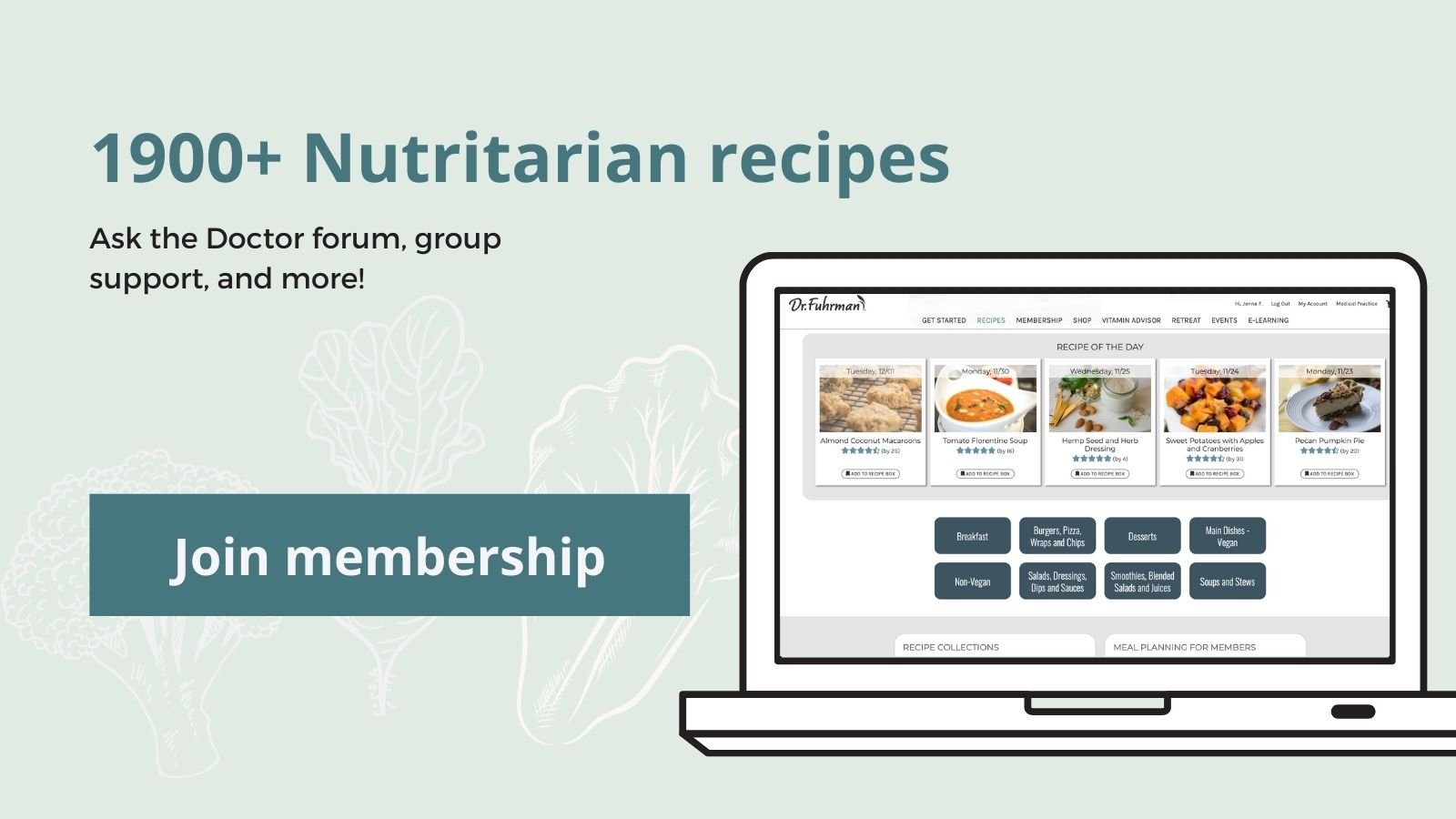
Membership to DrFuhrman.com will give you access to recipes, meal plans, grocery lists, group support, and education that will answer your questions and help you on your journey to superior health.
Let’s get down to the basics.
Can a plant-based diet, with no S.O.S. boost your health? YES!
There’s excellent scientific evidence that most chronic diseases can be reversed by a Nutritarian diet. Scientific research highlighted in Eat for Life, shows that a this nutrient-rich, plant-based diet can dramatically reduce the risk, and in many cases resolve type 2 diabetes, heart disease, autoimmune disease, certain types of cancer, and other major illnesses.
What is a Nutritarian diet?
This nutrient-rich, plant-based diet is based on the following principles:
- This eating style focuses on the nutrient-rich foods that unleash the body’s tremendous ability to heal, achieve optimal weight, and slow the aging process.
- Eat mostly plants means only eat animal products in small amounts, if any, such as meat, fish, dairy, and eggs
- Whole food describes natural foods that are not heavily processed. Basically, the majority of our diet is made up of fresh and clean produce rather than food that comes out of a package.
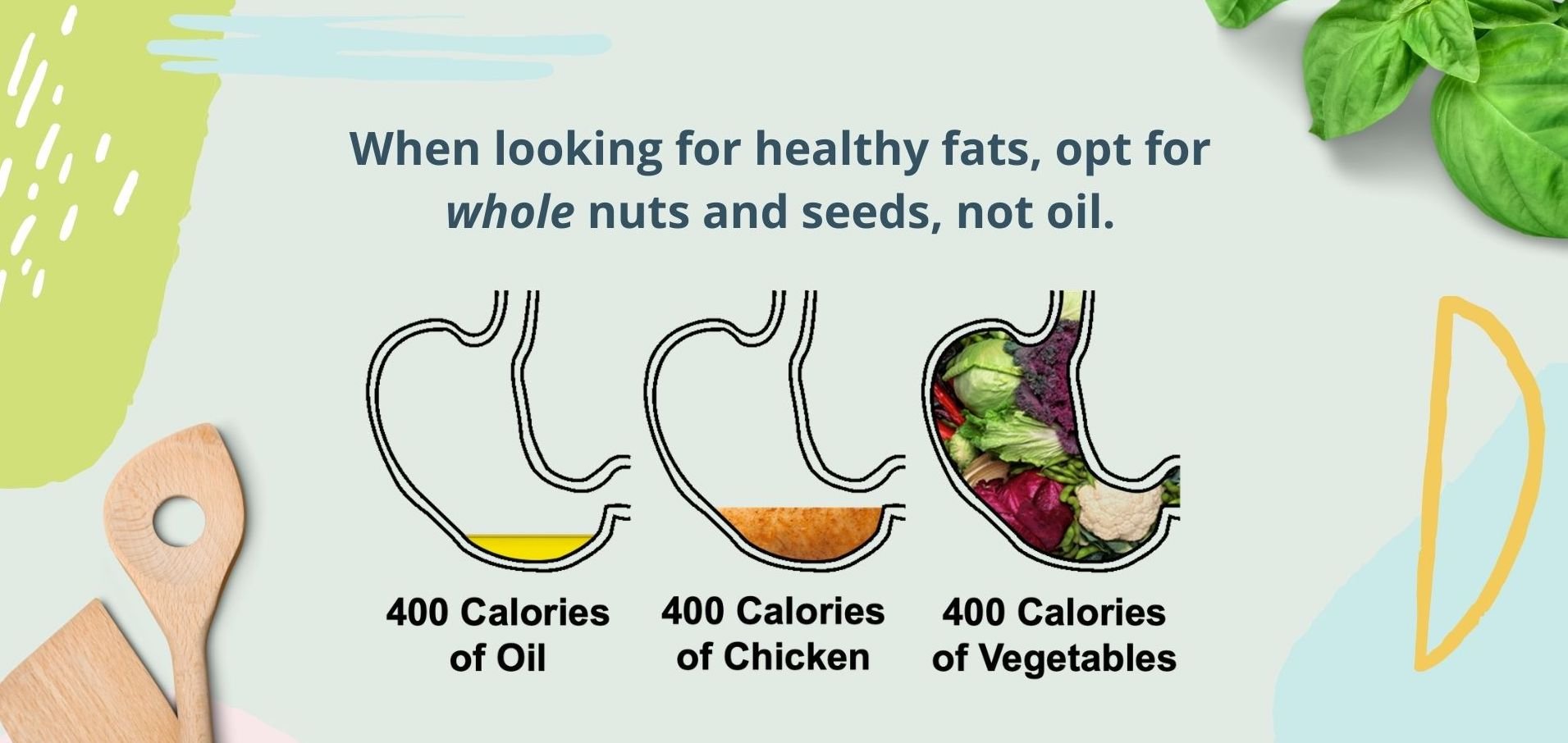
- No S.O.S. When we eat the whole nut over just the processed oil, we are eating the fiber and protective nutrients too!
Visit our recipe database to start eating like a nutritarian!
A Nutritarian diet meets your nutritional needs by focusing on natural, minimally processed plant foods and turning up the G-BOMBS! Nutritional research demonstrates these foods give us the greatest protection against cancer and other diseases.
What are G-BOMBS?
G-BOMBS is an acronym for Greens, Beans, Onions, Mushrooms, Berries and Seeds. These are the most health-promoting, anti-cancer superfoods on the planet. Make sure that you include some or all of them in your diet every day.
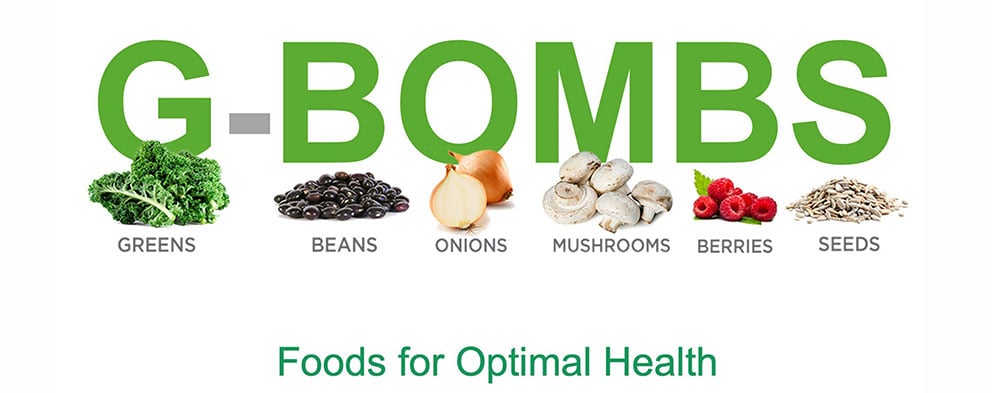
Greens: Greater consumption of these vegetables is linked to reduced risk of cancer and cardiovascular disease, and a longer life.
Beans: Beans and legumes are rich in fiber and resistant starch, which help keep blood glucose, blood pressure and LDL cholesterol down, and nourish the microbiome.
Onions: Onions and garlic are linked to a reduction in the risk of several cancers, and their distinctive sulfur-containing phytochemicals have a number of actions that benefit the cardiovascular system.
Mushrooms: Mushroom phytochemicals are unique in their promotion of immune system function with powerful anti-cancer benefits.
Berries: Berry phytochemicals have anti-cancer and blood pressure-lowering effects, and are linked to a reduced risk of heart attack.
Seeds: Eating raw seeds and nuts regularly is associated with longevity, reduced risk of cardiovascular disease, common cancers, and a healthy body weight.
You’ll love the benefits of a Nutritarian diet
3. Eat to Live with Dr. Fuhrman's famous Nutritarian recipes
The scientific evidence is clear. There are major benefits to moving to a Nutritarian diet.
- Optimal weight: People who eat a plant-based diet tend to be leaner than those who don’t, but a Nutritarian diet is undoubtedly the safest, healthiest and most effective way to do so. This diet makes it easy to lose weight and keep it off–without counting calories.
- Disease reversal and prevention: Whole-food, plant-based eating can prevent, halt, or even reverse chronic diseases, including heart disease, type 2 diabetes and autoimmune diseases.
- Immune Support: This eating style supplies the vital micronutrients and phytochemicals that help prevent inflammation and support normal immune function.
- Eco-friendly and sustainable: A plant-based diet places much less stress on the environment and can have a significant and positive impact on preventing climate change.
To compliment the Nutritarian diet, I have created a line of supplements to fill any nutritional gaps. It is imporant to supplement wisely. Your goal is to get adequate amounts of the nutritents not foundoptimally in a plant-based diet – such as vitamins B12 and D, plus the omega-3 fatty acids DHA/EPA – while avoiding potentially harmful ingredients, such as folic acid.
You’ll love the recipes!
Everyone puts their own twist on their favorite Nutritarian recipes, but here are some staples for your daily line up.
Breakfast: Berry Bowl or Chia Seed Pudding
Lunch: Big Salad & Red Lentil Chili & Navel Orange
Dinner: Queso Dip with Carrots and Celery & Thai Curry
Dessert: Avocado Chocolate Pudding






Looking for quick and easy recipes? Search our quick & easy tag in the recipe database.
4. Feel healthy, energetic and more vibrant as you lose excess weight
"I will guide you to superior health. Get started right now by signing up for my 5-Day Nutritarian Challenge! Enter your name and email below for daily tips and education."
-Dr. Fuhrman
At DrFuhrman.com we are wishing you the best of health!